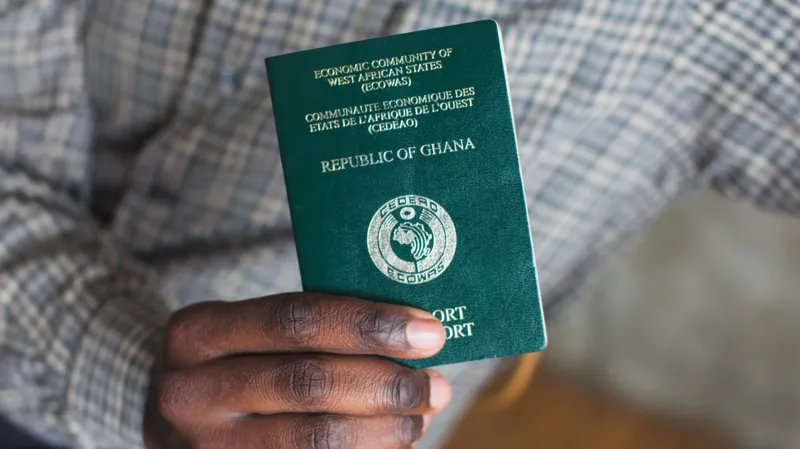
Ghana has temporarily suspended its citizenship application process for members of the African diaspora to make the system more accessible and user-friendly. Since 2016, individuals who can prove African ancestry, particularly descendants of those affected by the transatlantic slave trade, have been eligible to apply for Ghanaian nationality.
Over 1,000 people, including notable figures like American singer-songwriter Stevie Wonder, have successfully obtained Ghanaian citizenship in recent years. However, applicants have raised concerns over the complexity, multiple stages, and high costs associated with the process.
Dr Erieka Bennet, ambassador for the Diaspora African Forum, which supports relocation to Ghana, told the BBC that many applicants struggle to submit required DNA evidence within the one-week deadline and questioned the reliability of the tests. She noted that additional fees further complicate the process. The application costs $136, and shortlisted candidates are required to pay an additional $2,280 before attending a one-day citizenship orientation. Citizenship is formally granted during a ceremony overseen by President John Mahama.
The Ghanaian government has stated that updated timelines and guidelines will be issued in due course, although no specific timeframe has been provided. The temporary suspension has caused uncertainty for potential applicants planning relocation or investments in Ghana.
Ghana’s outreach to the African diaspora reflects its post-independence Pan-African vision championed by the country’s first President, Kwame Nkrumah, and was relaunched in 2019 as the Year of Return initiative. Diaspora members invest in sectors such as real estate, agriculture, technology, and small businesses, often seeking citizenship to access public services, vote, and legally own property.
Other African nations, including Benin and Sierra Leone, also provide citizenship to people of African descent based on verified ancestral ties.