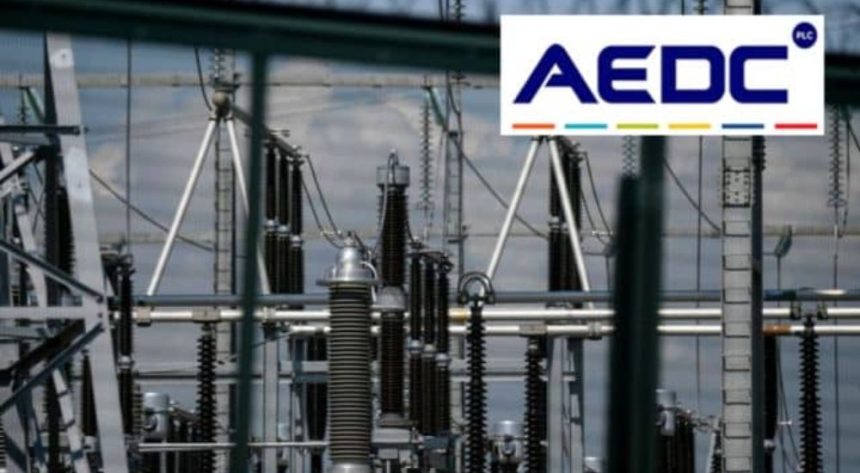
Abuja Electricity Distribution Plc (AEDC) has clarified that the ongoing electricity outages affecting Lafia, Keffi, Nasarawa, Masaka, and surrounding communities in Nasarawa State are largely due to factors beyond its control.
The company cited limited power allocations from the national grid, compounded by seasonal and infrastructural challenges, as the primary reasons for the extended disruptions.
In a statement released on Wednesday, AEDC highlighted that power allocations to Lafia have recently hovered between 5MW and 10MW, far below the demand required to meet the needs of residents, businesses, and government institutions in the state capital and adjoining areas.
“The Management of Abuja Electricity Distribution Plc (AEDC) wishes to inform our valued customers in Lafia, Keffi, Nasarawa, Masaka, and other affected communities that the current supply constraints are largely due to national-level factors beyond our direct control,” the statement read.
According to AEDC, Nigeria’s power sector experiences significant limitations during the dry season, which typically runs from November to April. During this period, hydropower generation declines due to low dam water levels, while several thermal plants face reduced gas supply caused by pipeline vandalism, operational disruptions, and broader supply-chain issues. These factors collectively result in lower overall electricity generation, reducing the amount of power available for distribution companies across the country, including AEDC.
The company also explained that disruptions in gas supply and system limitations have occasionally led to dramatic drops in allocations from the national grid, affecting energy availability for end-users. “Despite our efforts, power allocations have at times been insufficient to meet the growing demand, creating frustrations for our customers,” AEDC said, emphasizing its commitment to transparency and accountability in communicating these challenges.
AEDC assured that, where possible, it has increased supply to Lafia to approximately 10MW, even as pressures from neighboring regions and national limitations persist. The company also called for cooperation among stakeholders, including generation companies, gas suppliers, regulators, and DisCos, to ensure that electricity supply stabilizes across affected regions.
The ongoing outages have sparked concerns among residents and businesses, who face extended periods without electricity, affecting both domestic life and commercial activities. Energy experts argue that these recurring shortages underline structural weaknesses in Nigeria’s power sector, highlighting the need for improved coordination, investment in infrastructure, and proactive planning to address growing urban energy demands.
“The current power situation is not only a technical challenge but also a socioeconomic one,” said an energy analyst who requested anonymity. “Limited electricity availability in fast-growing states like Nasarawa impacts productivity, disrupts business operations, and can stall economic growth if prolonged.”
AEDC further clarified that the outages are not due to mismanagement at the distribution level but are symptomatic of systemic issues affecting Nigeria’s energy supply chain. This includes insufficient gas deliveries, operational downtime at generation plants, and inadequate maintenance of transmission infrastructure.
For residents in affected areas, the company urged patience and understanding, stressing that solutions require national-level interventions and coordinated responses from multiple stakeholders. AEDC said it remains committed to restoring consistent power supply wherever possible and is actively monitoring grid allocations to maximize available energy.
The situation in Nasarawa serves as a reminder of broader national challenges in the power sector, where seasonal variations, infrastructural deficits, and supply-chain vulnerabilities can create significant disruptions for consumers. Analysts recommend that federal and state governments prioritize investment in energy infrastructure, enhance monitoring systems, and promote greater collaboration between gas suppliers, power generators, and distribution companies.
AEDC reaffirmed its empathy with customers affected by the outages, noting that while the company strives to provide reliable electricity, addressing systemic power sector challenges requires collective action. For now, residents and businesses in Lafia, Keffi, Nasarawa, and Masaka must navigate ongoing constraints while awaiting coordinated national-level interventions to stabilize supply and support economic activity.