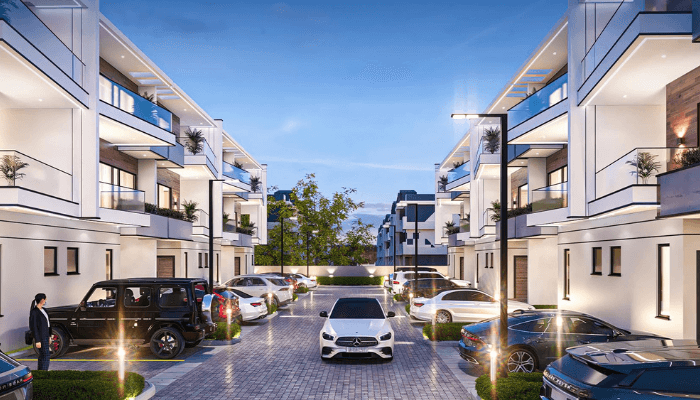
Nigeria’s luxury market is undergoing a major transformation as affluent consumers move away from traditional status symbols toward more immersive lifestyle experiences.
Industry leaders say wealthy buyers now value personal experiences, storytelling, and cultural relevance more than simply owning expensive products, forcing luxury brands to rethink how they engage their customers.
Luxury Market Redefined
The changing trend was a key discussion point at the BusinessDay Luxury Conference 2026, themed “Luxury Reimagined: Power, Purpose and Prestige.”
Speakers at the conference said the luxury industry is evolving from a model driven purely by brand recognition to one focused on delivering unique experiences and long-term relationships with consumers.
Samuel Abiola Jacobs, Managing Director of , said luxury brands must now build strong ecosystems and partnerships to remain competitive.
“In the old luxury economy, the strongest brand won. In the new luxury economy, the strongest ecosystem wins,” Jacobs said.
Banks Expanding Premium Lifestyle Services
The shift is also influencing how financial institutions interact with high-net-worth clients.
According to Opeyemi Makinwa, Head of Premium Banking at , many wealthy customers now expect lifestyle services alongside traditional banking solutions.
These services include exclusive travel arrangements, private event invitations, and partnerships with hospitality and luxury brands.
“Luxury is no longer about commodities but how you feel about the experience,” Makinwa explained.
Banks are increasingly relying on partnerships and customer data to deliver personalised services as competition for affluent clients intensifies.
Retail Sector Sees Changing Consumer Taste
Retailers are also experiencing a shift in purchasing behaviour.
Olufemi Seinde Olusola, founder of , said customers are showing growing interest in niche fragrances with unique identities rather than mass-market designer brands.
He explained that consumers now want to understand the story behind luxury products before making purchases.
“Luxury is not about price but value proposition and experience,” Olusola said.
Social media platforms have further accelerated this shift by enabling consumers to discover emerging luxury brands and share their experiences online.
Real Estate Redefines Luxury Living
The changing definition of luxury is also influencing Nigeria’s real estate market.
Abubakar Sheriff, Managing Director of , said buyers now prioritise infrastructure and comfort when considering luxury properties.
According to him, factors such as reliable electricity, quality road networks, adequate water supply, and quiet environments are becoming essential features of luxury living.
“Luxury is about functionality,” Sheriff noted.
Growth Potential for Nigeria’s Luxury Industry
Despite rising interest in luxury experiences, Nigeria’s luxury market remains relatively small and fragmented.
Industry data shows the sector was valued at over $2 billion in 2024, but analysts believe it could expand to about $4 billion by 2033 if structural challenges are addressed.
Experts say growth will depend on improved infrastructure, better distribution systems, and stronger collaboration between businesses and the creative industry.
They also believe Nigeria’s strong cultural influence in fashion, music, and art gives the country a unique advantage in shaping global luxury trends.
However, stakeholders say the key challenge is building a structured ecosystem that allows local luxury brands to scale and compete internationally.