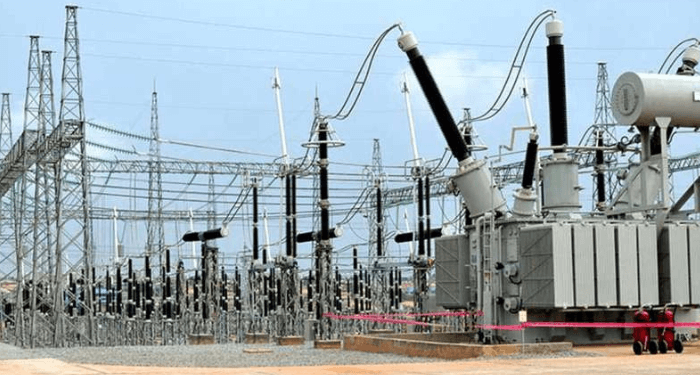
Nigeria’s electricity sector is facing renewed pressure as mounting debts owed by Generation Companies (GenCos) to gas suppliers disrupt fuel supply, triggering widespread grid instability and persistent blackouts.
Industry players say the core issue is unpaid obligations across the value chain, with GenCos struggling to meet payment demands from gas producers.
According to the , liquidity challenges remain unresolved, despite ongoing government interventions.
A GenCo executive noted that a significant portion of revenue goes directly to gas suppliers, leaving operators financially strained.
Heavy dependence on gas worsens situation
Nigeria’s power generation relies heavily on gas-fired plants, which account for over 70% of electricity output.
This dependence makes the sector highly vulnerable to supply disruptions, especially when payments to gas suppliers are delayed.
Forex challenges adding pressure
Operators also face foreign exchange constraints, as gas is priced in dollars while revenues are earned in naira.
The gap between official and parallel market exchange rates has created additional losses for power producers, further weakening their ability to sustain operations.
Grid instability and economic impact
Data from the shows that fluctuations in power generation are closely linked to inconsistent gas supply.
This has led to:
- Frequent voltage drops
- Power plant shutdowns
- Reduced electricity output nationwide
Businesses are already feeling the impact. A manufacturer in reported reduced production capacity and rising operational costs due to unreliable power supply.
Infrastructure and security risks
Beyond financial issues, pipeline vandalism and crude theft in the continue to disrupt gas flows, worsening supply challenges and exposing the grid to further instability.
Government interventions yet to yield results
The has introduced several measures to stabilise the sector, including:
- Approval of ₦185 billion to settle debts owed to gas producers
- Plans for a ₦4 trillion bond to clear arrears in the power sector
However, experts warn that these efforts may not be sufficient without deeper structural reforms.
Experts call for urgent reforms
Energy analysts stress the need for:
- Cost-reflective electricity tariffs
- Improved payment systems across the value chain
- Better access to foreign exchange
- Enhanced infrastructure security
Without comprehensive reforms, stakeholders warn that Nigeria’s electricity crisis could persist, threatening economic growth and industrial productivity.