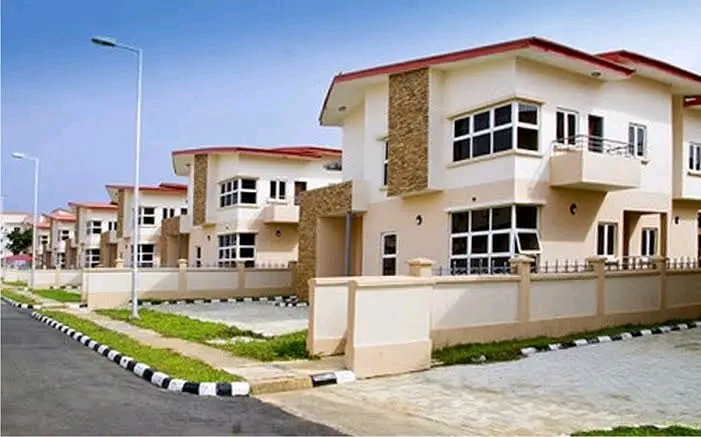
Nigeria’s shortlet market, particularly in , is entering a new phase of slower growth as regulatory crackdowns, tax reforms, and rising competition reshape the once fast-expanding sector.
A new report by projects the Lagos shortlet market will grow modestly to ₦285.5 billion in 2026, signaling a slowdown from previous rapid expansion.
In 2025, the market generated ₦281.03 billion—below earlier projections of ₦300 billion—highlighting early signs of deceleration.
Regulation emerges as key disruptor
One of the biggest shifts came with the ban on shortlet operations in in February 2026 due to security concerns.
Analysts warn this move could trigger similar restrictions across high-end areas like:
This regulatory tightening is expected to reduce listings and compress revenues in premium locations.
Tax reforms reshape the market
The introduction of the , effective January 2026, is also influencing the sector by increasing compliance requirements and formalising operations.
Experts say the reforms could bring long-term stability, even as they create short-term pressure for operators.
Rising competition and shifting demand
The rapid increase in shortlet supply—especially in areas like Lekki Peninsula—has intensified competition and lowered occupancy rates for poorly managed properties.
At the same time, more travellers are opting for hotels, citing better service consistency, security, and reliability.
Mainland markets gain momentum
While high-end Island locations remain lucrative, mainland areas are emerging as strong alternatives:
- recorded 25% growth
- grew by 23.1%
- and maintained steady demand
These areas are attracting investors and guests seeking more affordable and balanced options.
Market enters a “discipline phase”
Industry leaders say the sector is transitioning from rapid expansion to a more structured and competitive environment.
Success will now depend on:
- Strong hospitality standards
- Cost efficiency
- Regulatory compliance
- Brand positioning
Outlook remains positive
Despite the slowdown, Nigeria’s real estate sector continues to play a major role in the economy, contributing over 13% to GDP.
Analysts believe that while growth is moderating, the long-term outlook remains strong, driven by urbanisation, business travel, and diaspora demand.