


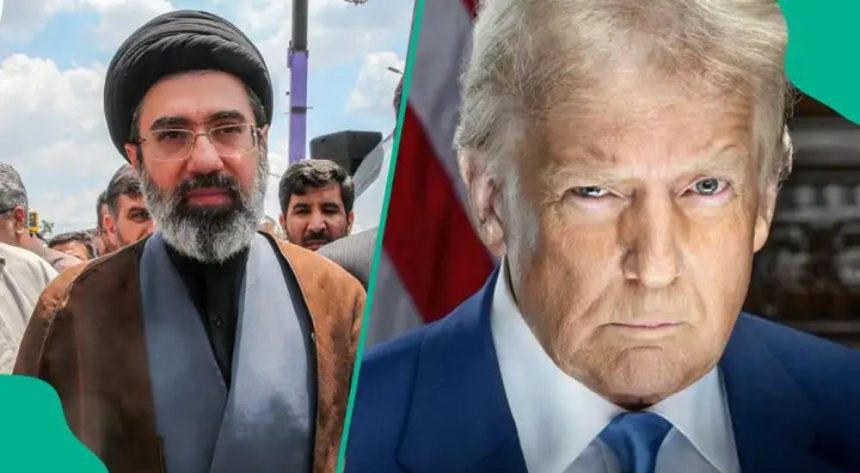
Iran has rejected a ceasefire proposal from the United States and continued missile and drone attacks on Israel and Gulf Arab states, dealing a setback to diplomatic efforts aimed at ending the escalating conflict.
Tehran described the initiative by Donald Trump as “illogical and not viable,” according to state-linked media, signalling widening gaps between both sides.
Iran outlines ceasefire conditions
Iranian officials said any potential ceasefire would depend on strict conditions, including guarantees that the U.S. and Israel would not resume hostilities.
Other demands include compensation for war damages, recognition of Iran’s authority over the Strait of Hormuz, protection of its missile programme, and respect for its regional sovereignty.
U.S. peace proposal faces resistancey
Reports indicate that Washington submitted a 15-point peace plan to Iran through Pakistan.
The proposal reportedly requires Iran to dismantle key nuclear facilities and limit its missile capabilities to self-defense, in exchange for sanctions relief and other concessions.
However, Iran’s rejection underscores deep mistrust and unresolved strategic differences.
Military actions continue
Despite ongoing diplomatic outreach, Iran has sustained its military operations across the region.
Fresh missile launches targeting Israel were reported, while Saudi Arabia intercepted a drone in its eastern region.
In Kuwait, a strike reportedly ignited a fuel tank at the country’s main airport, highlighting the widening scope of the conflict.
Uncertainty over negotiations
President Trump has maintained that any agreement must prevent Iran from acquiring nuclear weapons or enriching uranium beyond civilian use.
He expressed hope for a deal within days, though analysts say significant gaps remain between both sides.
Uncertainty also surrounds Iran’s negotiation structure following the reported death of Ali Khamenei and other senior officials.
Mohammad-Bagher Ghalibaf has been mentioned as a possible representative for talks, though he has denied that negotiations are currently underway.
Global implications
The ongoing crisis continues to disrupt global markets and raise concerns over energy security, particularly regarding the future of commercial shipping through the Strait of Hormuz.
Observers warn that without a breakthrough in diplomacy, the conflict could further destabilise the Middle East and impact global economic stability.