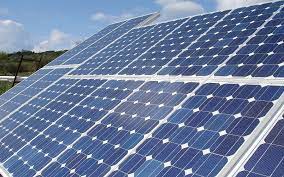
Nigeria has recorded a significant decline in solar panel imports, according to the National Bureau of Statistics (NBS), highlighting a shift in the country’s renewable energy market and policy direction.
Data from the NBS shows that the value of imported solar panels — classified as photovoltaic modules — dropped sharply within a short period, reflecting changing dynamics in Nigeria’s energy sector. The decline comes amid growing government efforts to promote local production and reduce dependence on imported renewable energy components.
Push for Local Manufacturing Drives Decline
Industry stakeholders attribute the drop to policy signals from the Federal Government aimed at boosting domestic manufacturing capacity. Authorities have increasingly emphasized localisation, with agencies such as the National Agency for Science and Engineering Infrastructure (NASENI) playing a central role in developing Nigeria’s solar production ecosystem.
Nigeria has already begun expanding its local solar panel manufacturing capacity, with multiple facilities across the country contributing to a growing renewable energy value chain. This marks a shift from previous years when the country relied heavily on imports to meet rising demand for off-grid electricity solutions.
Energy Transition and Policy Direction
The development aligns with broader national strategies to reduce foreign exchange pressure, improve energy security, and support the transition to cleaner energy sources. Solar power remains a critical solution to Nigeria’s persistent electricity challenges, especially in rural and underserved communities.
Recent government initiatives, including investments in mini-grids and renewable infrastructure, signal a long-term commitment to scaling solar adoption while strengthening local industry participation.
Balancing Local Growth and Energy Access
However, analysts warn that while restricting imports may boost local production, Nigeria must carefully manage the transition to avoid supply shortages or rising costs that could slow solar adoption.
With millions of Nigerians still lacking reliable electricity, experts say a balanced approach — combining local manufacturing incentives with sustained access to affordable solar technology — will be key to sustaining growth in the sector.