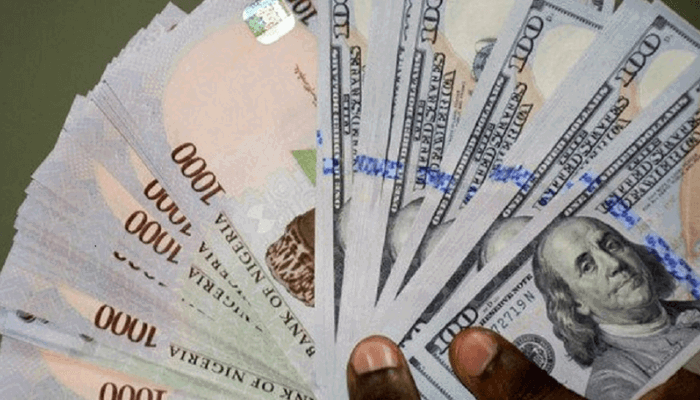
The Nigerian currency, the naira, has depreciated to ₦1,415 per dollar in the parallel market, reflecting sustained pressure in the country’s foreign exchange space.
Findings from currency traders indicate that the naira weakened from around ₦1,400/$ to ₦1,415/$, as demand for the US dollar continued to outpace supply in the informal market segment.
FX Pressure Persists
The depreciation highlights ongoing challenges in Nigeria’s forex market, where limited dollar liquidity and rising demand from importers, travelers, and businesses continue to drive exchange rate volatility.
The parallel market, often more reactive than the official window, remains sensitive to short-term supply gaps and speculative demand, leading to frequent fluctuations in the naira’s value.
Gap Between Official and Parallel Markets
Despite relative stability in the official foreign exchange window, the gap between both markets persists, raising concerns among analysts about arbitrage opportunities and market inefficiencies.
Economic watchers note that the disparity underscores the need for stronger FX inflows, improved investor confidence, and sustained monetary policy coordination.
Outlook
Experts say the naira’s performance will largely depend on the country’s ability to boost foreign exchange earnings, attract investment, and maintain consistent reforms in the FX market.
Until then, the currency may continue to face intermittent pressure, particularly in the parallel market where supply remains constrained.