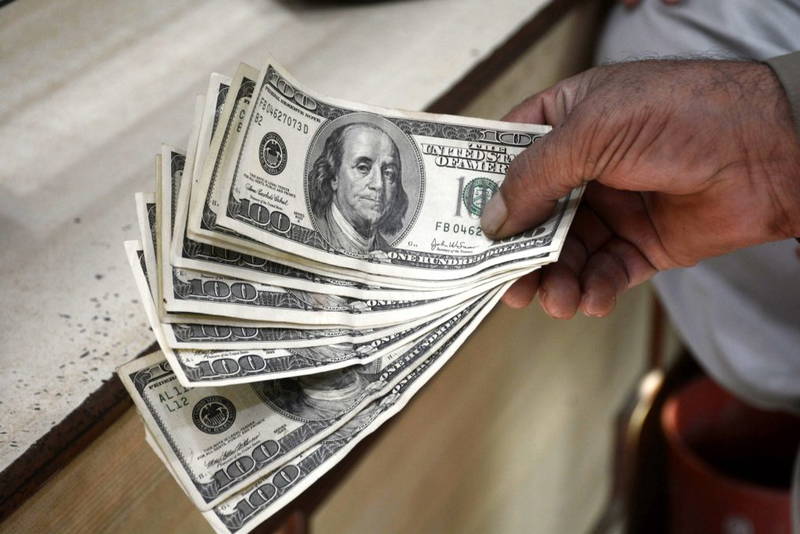
The Central Bank of Congo (BCC) has announced plans to prohibit the use of foreign currencies, including the U.S. dollar, for cash transactions across the country.
The directive, set to take effect from April 9, 2027, is part of renewed efforts to strengthen the local currency and tighten financial controls.
Cash Use of Dollars to End
According to BCC Governor Andre Wameso, individuals and businesses will no longer be allowed to conduct cash transactions in foreign currencies once the policy comes into force.
“From April 9, 2027, no person will be authorised to carry out cash transactions in foreign currencies,” the governor stated.
He added that commercial banks would also be barred from physically importing foreign currency into the country.
However, foreign currency transactions will still be permitted electronically through formal banking channels.
Policy Targets Financial Crimes
The central bank said the measure is aimed at strengthening oversight and reducing financial risks.
Authorities noted that restricting cash transactions in foreign currencies would help curb money laundering and terrorist financing activities.
Dollar Dominance in Local Economy
Foreign currencies, particularly the U.S. dollar, have increasingly dominated everyday transactions in the Democratic Republic of the Congo.
The trend dates back to the 1990s, when hyperinflation—reaching as high as 2,000 per cent—eroded confidence in the local currency.
Today, most transactions above $5 are conducted in dollars, reflecting widespread distrust in the Congolese franc.
The local currency currently trades at around 2,300 francs to the dollar, compared to about 920 francs per dollar in 2010.
Previous Attempts Failed
The BCC has made several unsuccessful attempts in the past to reduce reliance on foreign currencies.
In 2024, the central bank directed financial institutions to configure electronic payment systems to accept only the Congolese franc, but dollar usage remained widespread.
Economic Context
Despite its vast mineral wealth and a population exceeding 100 million people, the Democratic Republic of the Congo remains one of the world’s poorest countries.
Its natural resources continue to attract major global powers, including the United States and China, even as domestic economic challenges persist.
Outlook
The success of the latest policy will depend on public confidence in the local currency and the government’s ability to stabilise inflation and strengthen financial systems.
Analysts say enforcement and banking infrastructure will play a critical role in determining whether the reform achieves its intended impact.