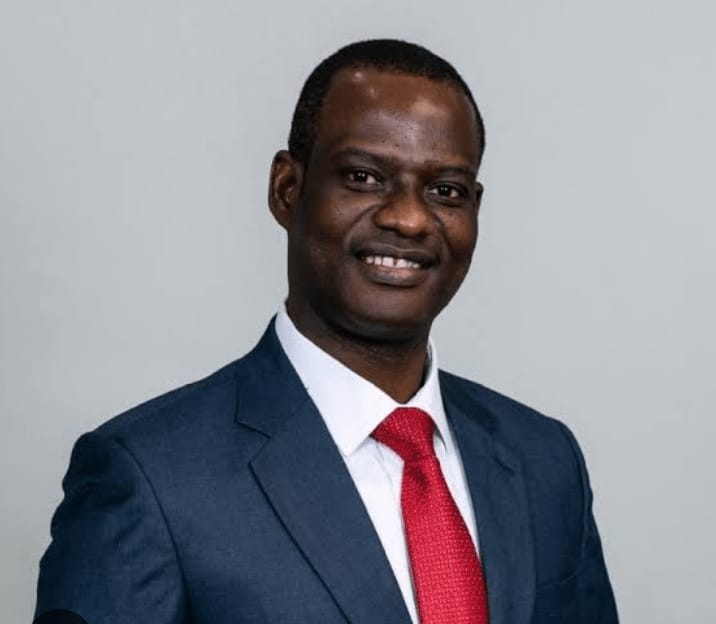
The Presidential Fiscal Policy and Tax Reforms Committee has dismissed reports suggesting that Taiwo Oyedele admitted errors in Nigeria’s newly introduced tax laws, describing the claims as misleading and a misrepresentation of his remarks.
In a statement released via Oyedele’s official communication channel, the Committee clarified that recent media reports had wrongly interpreted his comments, creating the impression that the reforms were flawed or under legislative review.
According to the Committee, the legislative process for the tax reforms has already been concluded, with gazetted copies certified and in effect since January 2026.
It stressed that suggestions of a pending probe or unresolved issues are inaccurate and risk misleading the public about the intent and status of the reforms.
Oyedele, who chairs the Presidential Fiscal Policy and Tax Reforms Committee, had earlier addressed stakeholders at the 2026 Nigerian Bar Association Section on Legal Practice Conference, where he explained that the reforms were designed to address long-standing structural inefficiencies in Nigeria’s tax system.
He highlighted disparities under the previous regime, noting that individuals often paid lower effective tax rates compared to businesses, a situation he described as inconsistent with global best practices.
While acknowledging that reforms typically evolve over time, Oyedele emphasised that ongoing adjustments should not be interpreted as evidence of fundamental flaws in the law.
The Committee also pointed to early indicators of progress, including a significant increase in tax registration and formalisation of businesses across the country.
Officials revealed that the number of individuals captured within the tax system has risen sharply, alongside a growing number of informal businesses entering the formal economy.
Key features of the new tax framework include exemptions for small businesses, increased thresholds for low-income earners, and tax relief on essential expenses such as food, healthcare, education, transportation, and rent.
The reforms also introduce a Tax Ombud system aimed at protecting taxpayer rights and improving dispute resolution mechanisms.
Reaffirming its position, the Committee noted that periodic updates through finance legislation are standard practice globally and reflect continuous improvement rather than policy failure.
It maintained that the broader objective of the reforms is to strengthen revenue mobilisation, reduce dependence on oil income, and build a more equitable tax system.