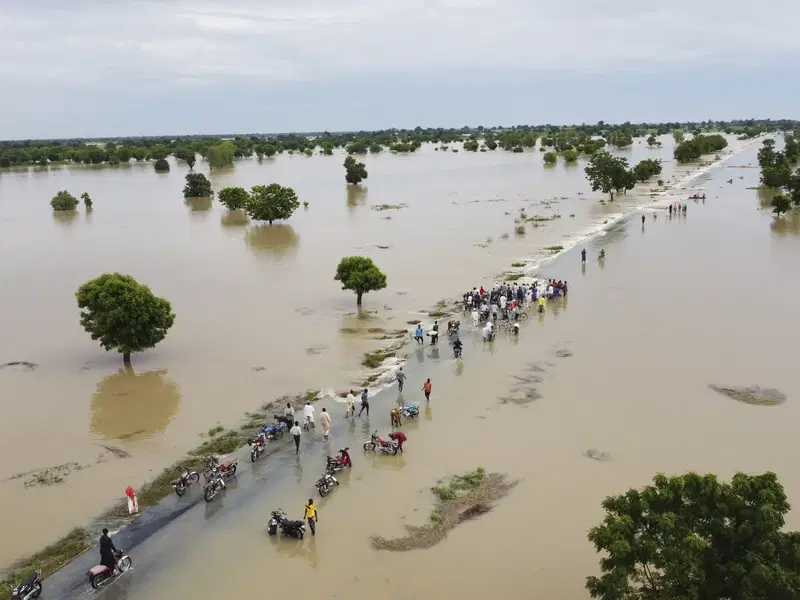
The Enugu State Emergency Management Agency has assured residents of its readiness to tackle potential flooding as the rainy season approaches, citing a series of proactive measures already in place across the state.
This assurance comes as the Enugu State Government intensifies efforts to strengthen disaster response systems and minimize the impact of flooding on communities.
Speaking on the state’s preparedness, the Executive Secretary of SEMA, Chinasa Mbah, said the government has taken deliberate steps to build resilience at both the state and community levels.
Central to these efforts is the training of Local Emergency Management Committee members across all 17 local government areas. The capacity-building programme, approved by Governor Peter Ndubuisi Mbah, was conducted earlier in the year under the theme “Building and Strengthening Emergency Resilience in Enugu State.”
Mbah explained that the initiative was designed to equip stakeholders with the skills needed to respond effectively to both natural and human-induced disasters.
Beyond training, the agency has strengthened collaboration with the National Emergency Management Agency and the Red Cross to expand community engagement efforts.
She emphasized that local residents often serve as first responders during emergencies, making public awareness a critical component of disaster management.
As part of its sensitisation drive, the agency has rolled out campaigns in flood-prone communities, including radio jingles and grassroots engagement in partnership with local government authorities and traditional rulers.
The state government is also investing in infrastructure to reduce flooding risks. According to SEMA, ongoing road construction projects now incorporate proper drainage systems to improve water flow and limit the impact of heavy rainfall.
In addition, emergency relief materials are being stockpiled to ensure swift response and support for affected residents if flooding occurs.
Authorities say these combined measures reflect a broader commitment to safeguarding lives, property, and livelihoods, especially in vulnerable communities.
With forecasts pointing to increased rainfall in parts of Nigeria, the state’s proactive approach is expected to play a crucial role in mitigating potential disasters.