The Federal Government has ruled out plans to seek financial support from the International Monetary Fund, despite the institution’s proposed $50 billion support package for struggling African economies.
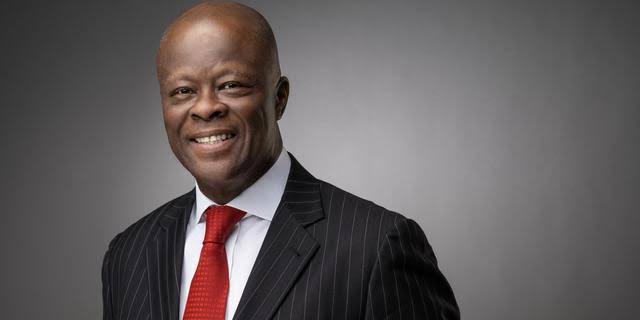
Nigeria’s Minister of Finance and Coordinating Minister of the Economy, Wale Edun, made this position clear during a press briefing at the ongoing World Bank/IMF Spring Meetings in Washington, D.C.
Edun stated that Nigeria has no intention, for now, to approach the IMF for additional borrowing, stressing the government’s commitment to managing its economic challenges independently.
“Nigeria has no plan at the moment to approach the IMF for any such burden,” he said.
His comments come shortly after IMF Managing Director, Kristalina Georgieva, disclosed that the global lender is preparing between $20 billion and $50 billion in financial support for countries facing economic strain, particularly in Sub-Saharan Africa.
Georgieva had advised nations under economic pressure to act swiftly when seeking financial assistance, warning that delays could worsen macroeconomic conditions.
While Nigeria is not seeking direct funding, Edun acknowledged that African economies are currently facing heightened vulnerabilities, especially due to global disruptions linked to the Middle East crisis.
According to him, many African countries—particularly oil-importing nations—are disproportionately affected by rising global tensions, which threaten macroeconomic stability, job creation, and poverty reduction efforts.
He noted that these countries require additional support, even though they are not directly responsible for the external shocks impacting their economies.
The IMF chief also highlighted the broader global implications of the crisis, warning that ongoing conflicts and supply chain disruptions could weaken global economic growth.
She projected that global growth could decline from 3.4 percent last year to 2.1 percent in 2026, with a worst-case scenario of 2 percent if current pressures persist.
Georgieva further explained that higher oil prices and disrupted trade routes are already driving inflation and slowing economic expansion worldwide.
Despite these concerns, she revealed that African finance ministers and central bank governors have so far prioritised policy guidance over immediate financial assistance during discussions with the IMF.
Experts say Nigeria’s decision to avoid additional IMF borrowing may reflect concerns over rising debt levels and the conditions often attached to such loans.
The Federal Government has instead continued to focus on fiscal reforms, revenue generation, and economic policies aimed at stabilising the economy without increasing external debt exposure.
The development underscores Nigeria’s cautious approach to borrowing, even as global economic uncertainties continue to mount.