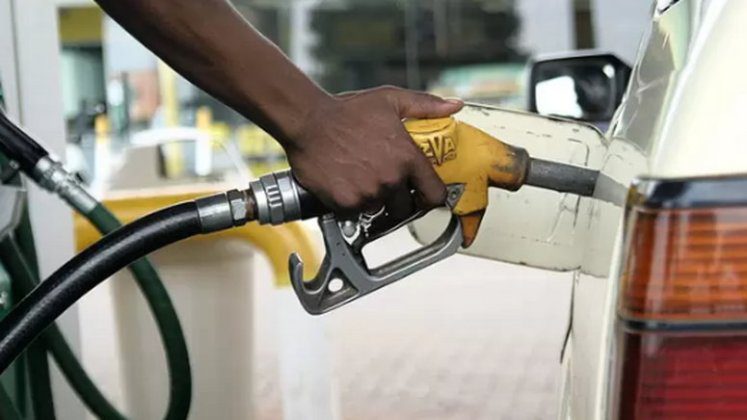
Petrol prices across Nigeria are edging closer to N1,400 per litre following a fresh price adjustment by the Dangote Petroleum Refinery, intensifying pressure on households and businesses already grappling with rising living costs.
The latest increase comes amid escalating global oil market tensions linked to the ongoing standoff involving the United States and Iran, which has disrupted crude supply routes and pushed international prices higher.
Global Tensions Drive Oil Price Surge
Crude oil prices have risen sharply in recent days, with Brent crude climbing from $105 per barrel to $118. The spike is largely attributed to uncertainty surrounding the Strait of Hormuz, a critical global oil transit route.
Additional pressure came from the decision of the Organization of the Petroleum Exporting Countries member United Arab Emirates to exit the group, further unsettling supply expectations in the global energy market.
As a result, the Dangote refinery increased its petrol loading price from N1,200 to N1,275 per litre, with coastal supply prices also rising to about N1,215 per litre.
Supply Disruptions Affect Local Market
Industry sources revealed that the refinery temporarily halted its pro forma invoice processing, disrupting supply scheduling and leading to an immediate pause in petrol and diesel sales to marketers.
This disruption quickly reflected at retail outlets, where pump prices jumped from an average of N1,250 to over N1,300 per litre across parts of Lagos and the South-West.
In states farther from supply hubs, particularly in northern regions, petrol prices have climbed closer to N1,400 per litre, with some border communities reportedly paying significantly higher due to supply constraints.
NNPC Price Adjustments Add Pressure
The Nigerian National Petroleum Company Limited also raised official selling prices for all Nigerian crude grades for May-loading cargoes.
Key grades such as Bonny Light and Forcados recorded increases of over $6 and $7 per barrel respectively, reflecting the broader impact of global oil market volatility.
These adjustments have further raised the cost of crude for refiners, contributing to higher downstream fuel prices.
Marketers Warn of Further Price Increases
The National President of the Petroleum Products Retail Outlet Owners Association of Nigeria, Billy Gillis-Harry, warned that petrol prices could rise above N1,500 per litre if the Middle East crisis persists.
He noted that the current pricing environment reflects extreme volatility, making it difficult for marketers to plan and sustain operations.
According to him, the Federal Government has yet to introduce measures to cushion the impact on consumers, despite benefiting from higher crude oil prices.
Calls for Policy Reforms Intensify
Energy stakeholders have renewed calls for reforms in Nigeria’s crude pricing system, arguing that reliance on international benchmarks continues to inflate local fuel costs.
The Crude Oil Refiners Association of Nigeria has advocated for a domestic pricing framework that reflects local economic realities rather than global benchmarks like Brent crude.
Experts say adopting such a model could lower production costs for local refineries and stabilise pump prices.
Economist Bismarck Rewane also suggested a structured pricing agreement between the government and refiners to ensure price stability for consumers.
Impact on Consumers and Economy
The continued rise in petrol prices is expected to trigger a ripple effect across the economy, increasing transportation costs, food prices, and overall inflation.
For many Nigerians, fuel price hikes directly translate into higher daily expenses, further squeezing household incomes.
While the Dangote refinery has been credited with boosting local refining capacity, its pricing influence underscores the country’s continued exposure to global oil market dynamics.