


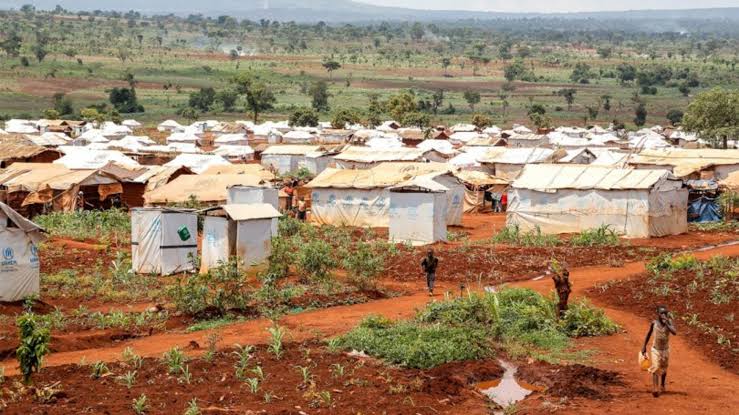
The government of Tanzania has shut down a major refugee housing camp and repatriated thousands of Burundi nationals, according to rights groups and the United Nations.
The closure of the Nduta camp in northwestern Tanzania follows an agreement between authorities in Dar es Salaam and Bujumbura to return about 100,000 Burundian refugees by June.
Thousands Repatriated as Camp Shuts Down
Human rights group Coalition for Human Rights/Living in Refugee Camps (CDH/VICAR) said roughly 3,000 remaining refugees in Nduta were forcibly transported back to Burundi. Only a few families reportedly remained, awaiting relocation to the Nyarugusu Refugee Camp, which is also scheduled for closure by June 30.
As of late 2025, about 142,000 Burundian refugees were living in Nduta and Nyarugusu camps, according to the United Nations High Commissioner for Refugees. Many had fled years of civil unrest, political instability, and economic hardship in Burundi.
Allegations of Forced Returns
CDH/VICAR accused Tanzanian authorities of using coercive tactics to accelerate repatriation. These reportedly included restrictions on movement, pressure to register for return, linking aid to repatriation, and demolition of shelters.
The group also cited allegations of intimidation, arrests, and night-time violence, claiming these actions forced many refugees to leave.
UN Responds to Criticism
The UNHCR confirmed the camp closure but said it was carried out by the Tanzanian government under an agreement supporting voluntary repatriation.
A spokesperson maintained that the agency had repeatedly stressed that all returns must be voluntary, safe, and dignified, adding that concerns over alleged abuses had been raised with authorities when reported.
However, a UN official speaking anonymously acknowledged the repatriations while declining to comment on claims of coercion.
Uncertain Future for Remaining Refugees
With both Nduta and Nyarugusu camps set to close, questions remain over the conditions of return and the long-term safety of repatriated refugees.
Rights groups continue to warn that forced returns could expose vulnerable populations to renewed instability, while authorities maintain that the process aligns with regional agreements on refugee management.
