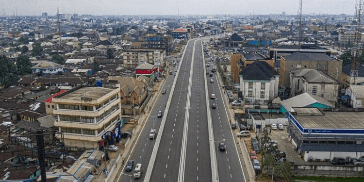
More than 80 per cent of residents in Rivers State now spend over 100 per cent of their income on house rent, signalling a worsening housing crisis.
The disclosure was made by the Executive Secretary of the National Union of Tenants of Nigeria (NUTN), Ceaser Enwefah, in a letter addressed to Governor Siminalayi Fubara on May 4.
Rent Surge Deepens Hardship
According to the union, rent increases between 2023 and 2025 have been particularly severe in Port Harcourt and Obio-Akpor.
Enwefah warned that the rising cost of housing is pushing many residents into extreme hardship, making it difficult to meet basic needs.
“Rental costs now account for a significant portion of the high cost of living in the capital city,” he said.
He cautioned that the situation could escalate into widespread homelessness, slum expansion, and social tension by 2030 if not addressed.
Calls for Government Intervention
The union urged the state government to prioritise the housing sector and introduce regulatory measures to curb excesses.
Recommendations include stricter oversight of estate agents, enforcement against illegal property conversions, and the creation of a housing data system to monitor rent trends.
Other proposals include increased land allocation for low-income housing and the construction of student hostels to ease accommodation pressure.
Sharp Rise in Rental Prices
Data from the union shows a steep increase in rental costs across housing categories:
- Self-contained apartments: about N800,000 annually
- One-bedroom flats: around N1.5 million
- Two-bedroom apartments: N2 million to N2.5 million
- Three-bedroom flats: N3 million to N4 million
The report also noted that a single room rose from N60,000 in 2022 to N180,000 in 2026, while self-contained units jumped from N150,000 to N800,000 within the same period.
Enwefah warned that rents could rise further by December 2026, forcing more residents to leave the city.
Drivers of the Housing Crisis
The surge in rent has been linked to multiple factors, including housing shortages, demolition of buildings for infrastructure projects such as the Port Harcourt Ring Road, activities of unregulated agents, and the conversion of residential buildings for commercial use.
Nationwide Trend
The situation reflects a broader trend across Nigeria, particularly in Lagos, where residents also face rising rent costs.
Across major urban centres, increasing housing demand, inflation, and limited supply continue to put pressure on affordability, raising concerns about urban living standards and long-term economic stability.