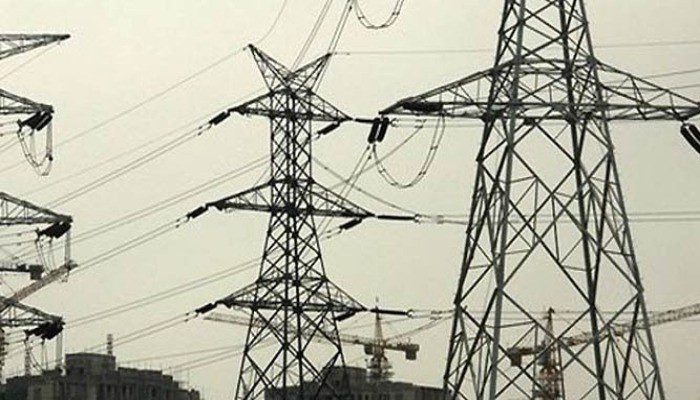
Residents living in gated housing estates across Lagos are grappling with steep increases in electricity bills as estate operators struggle with rising diesel prices and worsening power supply from Nigeria’s national grid.
Across several estates, electricity tariffs have more than doubled within months, leaving many residents frustrated over mounting living costs despite paying premium housing fees for stable utilities and improved infrastructure.
Management notices issued within different estate communities revealed that some operators increased electricity tariffs from about N360 per kilowatt-hour to over N480/kWh within a short period, while others reportedly raised rates as high as N755/kWh.
One estate management attributed the latest tariff adjustment to the rising cost of diesel, which it said had climbed from below N1,000 per litre to over N2,000 per litre.
The development has triggered widespread complaints among residents who say the financial burden is becoming unsustainable.
“My estate just increased the tariff to N755/kWh. This is insanity,” one resident wrote in a social media post that gained attention online.
Another resident questioned the high cost of electricity within a private estate despite steady supply.
“Why is it N50,000 a day for 24 hours of light?” the resident asked on X, formerly Twitter.
The rising tariffs are linked to growing dependence on diesel-powered central electricity systems within estates, following persistent failures of the national grid.
Most gated estates in Lagos operate shared generator systems that combine electricity from public distribution companies with diesel-powered backup generation.
Under the arrangement, public electricity supply helps reduce overall energy costs while diesel generators serve as supplementary sources during outages.
However, estate operators say the situation has worsened as grid supply has dropped significantly in recent months.
According to notices circulated among residents, some estates now receive less than 40 per cent of their required electricity supply from the public grid, forcing operators to rely heavily on diesel generators for daily power distribution.
With diesel prices currently hovering around N1,900 to N2,000 per litre, operators say sustaining electricity generation has become increasingly expensive.
The impact is particularly severe for middle-class households that moved into private estates to escape unreliable public electricity supply.
For many families, monthly electricity bills now rival rent or school fees.
A household consuming about 300 kilowatt-hours monthly could now spend between N150,000 and N226,500 on electricity alone, depending on the estate tariff structure.
Some estate operators have also introduced minimum monthly electricity purchases, requiring residents to buy tokens worth at least N50,000 regardless of actual usage.
Operators argue that the policy is necessary to maintain steady cash flow for diesel procurement and maintenance of central power systems.
Residents, however, describe the requirement as an additional financial burden amid rising inflation and increasing living costs.
Estate management firms maintain that the tariff hikes are driven purely by operational realities rather than profit motives.
Several management notices reviewed indicated that tariffs could be reduced if diesel prices decline or public grid supply improves.
One notice stated that any improvement in market conditions would lead to a downward review of electricity charges for residents.
The crisis highlights the broader challenges facing Nigeria’s power sector, where decades of underinvestment in generation, transmission, and distribution infrastructure continue to undermine reliable electricity supply.
Distribution companies operating within Lagos have also struggled with financial and operational limitations, further reducing stable power delivery to residential communities.
Private estate operators initially relied on diesel-powered electricity systems as a temporary solution to supplement public supply.
However, rising fuel costs and persistent grid instability have transformed what was once a manageable alternative into a major economic challenge for both operators and residents.
Analysts say unless national grid performance improves significantly or diesel prices reduce, electricity costs within private estates are likely to remain unstable, placing additional pressure on urban households already struggling with rising inflation and utility expenses.