


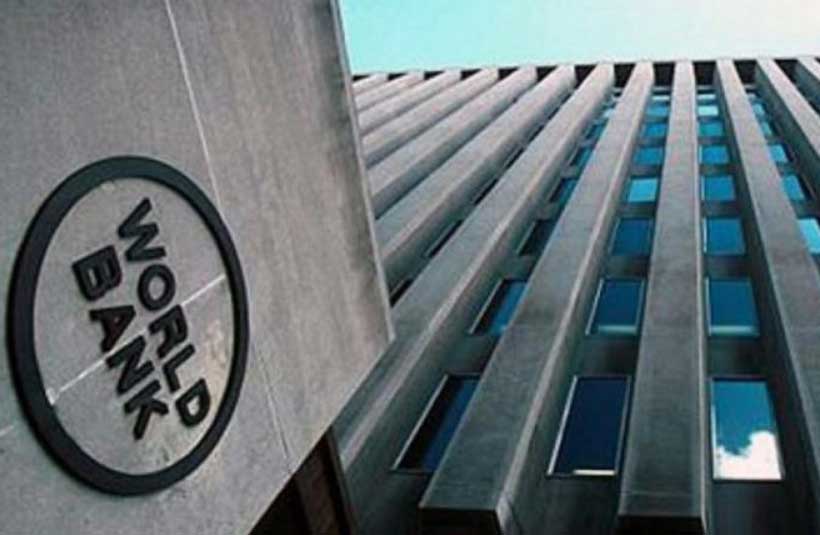
The Federal Government is seeking a fresh $1.25bn loan from the World Bank to support economic reforms, job creation, and national competitiveness, even as Nigeria’s public debt continues to climb and the facility reaches a decisive approval stage.
Findings indicate that the proposed facility, titled Nigeria Actions for Investment and Jobs Acceleration, is expected for World Bank Board consideration on June 26, 2026.
If approved, it would become the second-largest World Bank loan secured under President Bola Ahmed Tinubu, after the $1.5bn development policy financing approved in 2024.
At an exchange rate of N1,361.4/$, the facility amounts to about N1.70tn, further increasing Nigeria’s external debt profile.
Loan Now At Final Approval Stage
According to World Bank documentation, the loan has progressed to the decision meeting stage, where management reviews final appraisal details before presenting it to the Board of Executive Directors.
The Federal Ministry of Finance will implement the programme, which is designed to expand access to finance, digital services, electricity supply, and strengthen competitiveness through reforms in taxation, trade, and agriculture.
The document confirms that negotiations and appraisal processes have largely been concluded, placing the project near final approval.
Nigeria’s Rising World Bank Exposure
Between June 2023 and May 2026, Nigeria has secured about $9.35bn in World Bank financing across sectors including power, education, healthcare, agriculture, and social protection.
If the new loan is approved, total World Bank commitments under Tinubu would rise to about $10.6bn.
However, many of these loans are tied to policy conditions and are released in tranches, often slowing disbursement.
Debt Stock Continues To Rise
Nigeria’s external debt stood at $51.86bn as of December 2025. With the new facility, it could rise to about $53.11bn.
Total public debt may also increase from N159.28tn to about N160.98tn.
World Bank loans already account for over 38% of Nigeria’s external debt stock, according to Debt Management Office data.
Government Raises Concern Over Approval Delays
The Accountant-General of the Federation, Shamseldeen Ogunjimi, has warned that Nigeria may reconsider future borrowing if World Bank approval and disbursement timelines remain slow.
He argued that loan processes extending beyond six months could disrupt project planning and national priorities.
Experts Split Over Borrowing Strategy
Economists remain divided over Nigeria’s growing reliance on multilateral loans.
Adewale Abimbola noted that concessional loans can support development if properly deployed into revenue-generating projects.
However, Aliyu Ilias cautioned that rising debt contradicts government claims of improved revenue after subsidy removal.
Muda Yusuf of the Centre for the Promotion of Private Enterprise stressed that debt sustainability depends on stronger revenue generation and careful management of exchange rate risks.
Fiscal Risks Remain High
The Nigerian Economic Summit Group warned that despite marginal improvements in debt indicators, Nigeria’s fiscal position remains fragile.
It noted that debt pressures continue to fluctuate within a high-stress range, driven largely by weak revenue performance and sustained borrowing needs.
