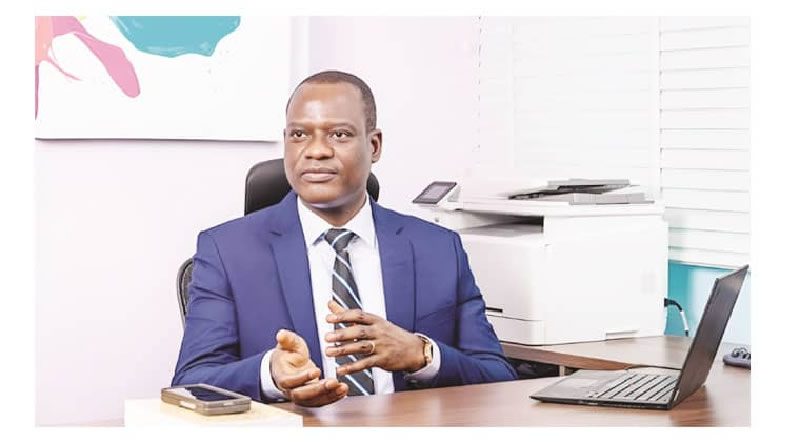
The Minister of Finance and Coordinating Minister of the Economy, Taiwo Oyedele, has warned that Nigeria can no longer depend mainly on borrowing to finance development, stressing the need for a stronger and more sustainable fiscal system.
Oyedele made the statement on Tuesday while speaking at the 28th Annual Tax Conference of the Chartered Institute of Taxation of Nigeria in Abuja.
His comments came shortly after reports emerged that the Federal Government was advancing discussions with the World Bank for a fresh $1.25 billion loan to support economic reforms, competitiveness, and job creation.
Nigeria Needs Sustainable Revenue System
According to the minister, sustainable development requires a fiscal structure capable of supporting critical sectors such as infrastructure, healthcare, education, security, and social protection without excessive borrowing.
“Nigeria cannot continue to finance development primarily through borrowing. We must build a fiscal system capable of sustainably supporting critical infrastructure, quality education, affordable healthcare, security, and social protection,” Oyedele said.
He explained that sustainability goes beyond raising revenue and must also promote economic growth, reduce inequality, protect vulnerable citizens, and improve productivity.
FG Pushes Tax Reforms
Oyedele stated that the Federal Government’s ongoing tax reforms are aimed at creating a more investment-friendly economy while strengthening fiscal sustainability.
He identified longstanding weaknesses in Nigeria’s tax system, including multiple taxation, weak compliance, fragmented administration, and overreliance on a narrow revenue base.
According to him, businesses have struggled with overlapping taxes, unpredictable enforcement, and rising compliance costs, while many citizens perceive the system as unfair.
“Our approach is guided by a simple principle: a good tax system should raise revenue efficiently, support economic growth, protect the vulnerable, and strengthen trust between governments and citizens,” he said.
Minimum Wage Earners Exempted
The minister disclosed that minimum wage earners have been exempted from personal income tax under the ongoing reforms.
He added that the government is also proposing lower corporate income tax rates to improve Nigeria’s attractiveness to investors.
Oyedele further explained that reforms to the Value Added Tax system would expand input VAT credits and clarify exemptions for essential goods and services to reduce production costs and moderate inflation.
States Begin Tax Harmonisation
Speaking on efforts to reduce multiple taxation, Oyedele said the Federal Government is collaborating with state governments to harmonise taxes and lower compliance burdens on businesses.
According to him, 15 states have already enacted tax harmonisation laws.
He also noted that technology and automation would play a major role in modernising tax administration through digital filing systems, data integration, and technology-driven compliance processes.
Shettima Defends Reforms
Vice-President Kashim Shettima, represented by Special Adviser on Economic Affairs Dr. Tope Fasua, defended the reforms, describing them as pro-business and pro-people policies designed to reposition the Nigerian economy.
Shettima said the reforms are aimed at creating opportunities for ordinary Nigerians while making locally produced goods globally competitive.
He acknowledged public scepticism surrounding the reforms but insisted the Tinubu administration remains committed to economic growth and national prosperity.