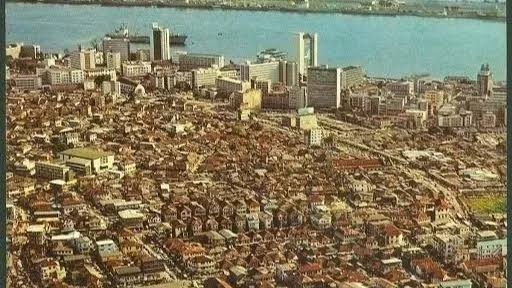
Stakeholders in Nigeria’s real estate sector have called for accelerated urban redevelopment across Lagos State to tackle increasing population pressure, housing demand and infrastructure challenges.
The call formed the focus of discussions during a real estate forum organised by Exclusive Estate in partnership with BusinessDay in Lagos. The event, themed “Exploring Redevelopment Investment Opportunities in Lagos Mainland Real Estate Sector,” examined the future of urban renewal and housing investment opportunities within the state.
Industry experts warned that without strategic redevelopment efforts, Lagos may struggle to cope with its rapidly expanding population and changing housing demands.
Lagos Mainland Becoming More Attractive
Chairman of Exclusive Estate, Peter Adobamen, noted that Lagos Mainland remains strategically positioned because of its accessibility and proximity to key commercial districts.
According to him, nearly 85 percent of Lagos residents currently live on the mainland, making redevelopment efforts increasingly important.
He explained that many residents who moved to areas such as Lekki and Sangotedo due to housing expansion are gradually reconsidering mainland locations because of traffic challenges and proximity to business hubs.
According to Adobamen, locations such as Yaba offer easier access to Marina and Victoria Island compared to longer commuting times experienced by residents in outer districts.
Housing Preferences Are Changing
Adobamen also observed a major shift in housing preferences among younger residents.
According to him, demand is gradually moving away from large residential buildings toward smaller and more practical housing units.
He explained that younger professionals increasingly prefer compact apartments that suit modern lifestyles and work arrangements.
As a result, many old buildings across Lagos Mainland are now being demolished and replaced with smaller modern residential developments.
High Financing Costs Slow Redevelopment
Despite growing investment opportunities, stakeholders identified financing constraints as a major challenge affecting urban redevelopment projects.
High interest rates and rising development costs continue to create obstacles for investors and developers.
Adobamen stressed the need for government policies that balance urban growth with social considerations, particularly concerns surrounding displacement of low-income communities.
He warned that redevelopment initiatives should avoid creating hardship for vulnerable populations.
Experts Seek Lower Documentation Costs
Also speaking at the event, Director of the Centre for Housing and Sustainable Development at the University of Lagos, Prof. Timothy Nubi, urged authorities to reduce costs associated with land documentation and approvals.
He argued that expensive approval processes discourage development and contribute to illegal construction practices.
According to him, many developers avoid proper approval channels because of high regulatory costs, resulting in substandard construction methods.
Nubi warned that reducing approval costs could stimulate development and generate long-term revenue through land-use charges.
Population Growth Raises Concerns
Nubi further warned that Lagos could face enormous population pressure over the coming decades.
According to him, about 900 people migrate into Lagos daily, with security challenges in other parts of Nigeria potentially increasing migration levels.
He projected that Lagos could approach a population of 60 million within the next 25 years if current trends continue.
Experts say understanding changing demographics and housing preferences will be critical for future urban planning efforts.