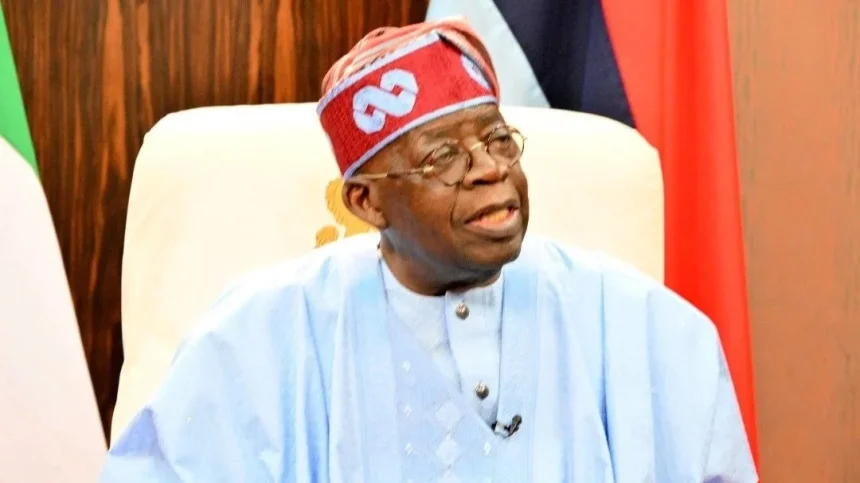
President Bola Ahmed Tinubu says the Federal Government is executing infrastructure projects on an unprecedented scale, with more than 2,700 kilometres of highways and major roads currently under construction, reconstruction or rehabilitation across Nigeria.
Speaking during a nationwide address marking the third anniversary of his administration, the President said the investments are aimed at improving connectivity, boosting economic activity, creating jobs and enhancing living standards.
2,700km of Roads Under Construction Nationwide
Tinubu said major road projects are ongoing across the country, including:
- Lagos-Calabar Coastal Highway
- Sokoto-Badagry Super Highway
- Abuja-Kaduna-Zaria-Kano corridor
- East-West Road
He noted that several sections of these projects are already completed or nearing completion, with the goal of improving regional trade and strengthening national logistics networks.
The administration says the road programme is part of a broader effort to modernise transport infrastructure and address long-standing connectivity challenges affecting economic growth.
Renewed Hope Housing Programme Delivers Over 10,000 Units
In the housing sector, Tinubu said the Renewed Hope Housing Programme and the Federal Housing Authority (FHA) are delivering more than 10,000 housing units across 14 states and the Federal Capital Territory.
Major Renewed Hope Cities in Abuja, Lagos and Kano are also progressing steadily.
According to the President, the housing programme has generated over 300,000 jobs, largely through construction-related activities, materials supply and associated services.
Energy Sector Investments Expand Refining and Gas Capacity
Tinubu disclosed that the $5 billion Nigeria LNG Train 7 project is nearing completion, with expectations of boosting gas production and export capacity.
He also said ongoing investments in modular and large-scale refineries are reducing Nigeria’s dependence on imported petroleum products and easing pressure on foreign exchange.
On electricity, the President said reforms are being implemented to address legacy debts, expand transmission infrastructure and support renewable energy development.
Rail Modernisation to Boost Connectivity
The administration also confirmed continued rail modernisation projects aimed at improving national logistics and transport efficiency.
Tinubu said improved rail systems will reduce transportation costs, strengthen economic integration and enhance movement of goods and passengers across the country.
Infrastructure Linked to Economic Reforms
The President linked the infrastructure drive to broader economic reforms introduced since 2023, including fuel subsidy removal and foreign exchange unification.
He acknowledged the inflationary impact of the reforms but maintained that they have strengthened public finances, improved investor confidence and created a more stable economic foundation.
Impact on Housing and Urban Development
Experts say the infrastructure push could significantly reshape Nigeria’s housing and real estate sector by opening new growth corridors and increasing demand for residential developments.
Improved roads, rail systems and energy access are expected to drive urban expansion, raise land values and stimulate private sector investment in housing.
President Tinubu’s announcement underscores a large-scale infrastructure agenda spanning roads, housing, rail and energy. With over 2,700 kilometres of road projects underway and major housing and energy investments in progress, the administration says it is laying the foundation for long-term economic transformation.
As implementation continues, attention will remain on delivery timelines, financing sustainability and the real impact on households, businesses and national development outcomes.