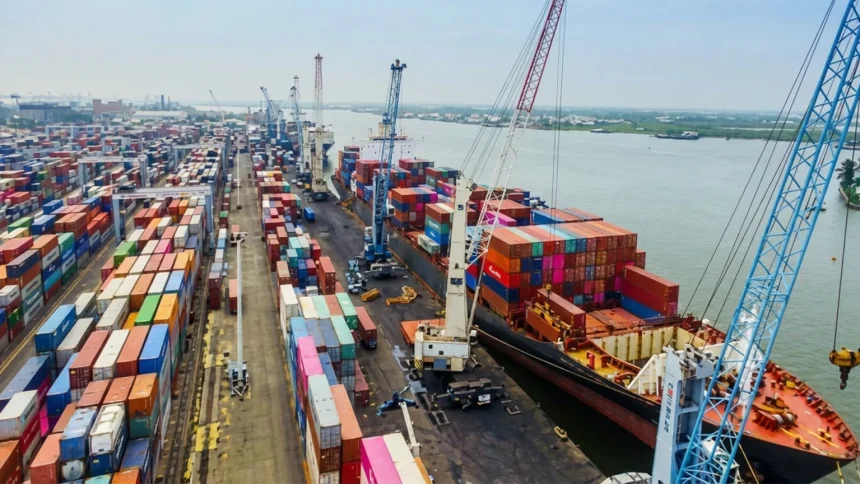
The United States has proposed additional tariffs of 12.5 per cent on imports from Nigeria and seven other African countries over concerns that they have failed to adequately prevent the importation of goods produced through forced labour.
The proposed measure was announced by the Office of the United States Trade Representative (USTR) following investigations conducted under Section 301 of the Trade Act of 1974.
If approved, the tariffs would apply to imports from Nigeria, Algeria, Angola, Egypt, Libya, Mauritania, Morocco and South Africa, potentially affecting trade flows between the United States and Africa.
According to U.S. authorities, 54 of the 60 economies reviewed were found to have failed to establish or effectively enforce restrictions on goods produced with forced labour. These countries have therefore been recommended for an additional 12.5 per cent tariff.
The proposal remains subject to a public consultation process. Written comments will be accepted until July 6, after which hearings will be conducted before a final decision is reached.
Unlike previous trade measures that focused primarily on trade deficits and reciprocal market access, the latest proposal is centred on labour standards, supply-chain transparency and regulatory enforcement.
The USTR argued that countries allowing forced labour-produced goods to circulate through global supply chains gain unfair cost advantages that undermine fair competition and disadvantage American workers.
Officials said the review assessed whether countries had effective legal frameworks and enforcement mechanisms capable of preventing imports linked to forced labour.
Following the investigation, the United States concluded that the eight African countries identified had either insufficient legal protections or inadequate enforcement of existing regulations, placing them among economies facing the proposed tariff increase.
The recommendation exceeds the 10 per cent baseline tariff associated with broader reciprocal trade policies previously introduced under the administration of President Donald Trump.
Countries that have already implemented strict forced-labour import controls or entered into labour-related trade commitments with the United States are expected to face lower tariff exposure under the framework.
For African exporters, the proposal could have significant implications. The United States remains an important export destination for agricultural products, manufactured goods, minerals and industrial commodities from across the continent.
Analysts warn that higher tariffs could increase export costs, reduce competitiveness and create new challenges for businesses seeking access to the American market.
Nigeria and South Africa, Africa’s two largest economies, may face heightened scrutiny if the proposal advances, particularly in sectors dependent on exports to the United States.
Industry stakeholders say affected businesses may need to strengthen supply-chain monitoring systems, labour compliance procedures and transparency reporting to remain competitive in global markets.
The proposal also reflects a growing global shift toward ethical sourcing, labour rights protection and supply-chain accountability, with governments and multinational corporations increasingly incorporating these standards into trade and procurement decisions.
Although the measure has not yet been finalised, trade experts believe it sends a strong signal that future market access may increasingly depend on labour governance, transparency and compliance with international standards.