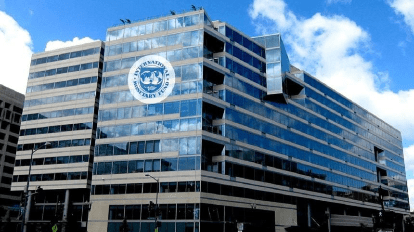
The International Monetary Fund (IMF) has reported that poverty in Nigeria has risen to 63 per cent of the population despite improvements in macroeconomic stability driven by ongoing economic reforms.
The disclosure was contained in the IMF’s 2026 Article IV Consultation Report, which acknowledged progress made under the administration of President Bola Ahmed Tinubu while highlighting persistent challenges facing millions of Nigerians.
According to the report, an estimated 27 million Nigerians experienced food insecurity in the latter part of 2025, underscoring the social impact of rising living costs and economic adjustments.
The IMF noted that reforms including the removal of fuel subsidies, foreign exchange market liberalisation, fiscal discipline measures and the end of deficit monetisation have strengthened Nigeria’s macroeconomic position and improved investor confidence.
The report showed that Nigeria’s gross international reserves increased to $46 billion in 2025 from $40 billion recorded at the end of 2024, while net reserves rose significantly from $23 billion to $35 billion within the same period.
The Fund also observed that the foreign exchange market has become more stable, with the parallel market premium remaining below five per cent, while sovereign bond spreads have remained broadly stable despite global economic uncertainties.
The IMF projected that Nigeria’s economy would grow by 4.0 per cent in 2025 and 4.1 per cent in 2026, citing improvements in the banking sector, ongoing bank recapitalisation efforts and the country’s removal from the Financial Action Task Force (FATF) grey list.
Despite these gains, the Fund warned that inflationary pressures remain a concern. Inflation, which had declined for over a year, rose to 15.4 per cent year-on-year in March 2026, driven largely by increases in global fuel, food and fertiliser prices.
The report also revealed that Nigeria’s consolidated fiscal deficit widened to 4.4 per cent of Gross Domestic Product (GDP) in 2025 as oil revenues fell below government projections.
“Higher global prices of fuel, food and fertilisers continue to exert pressure on households and could worsen poverty and food insecurity,” the IMF stated.
The Fund identified volatility in global commodity markets and domestic security challenges as major risks to Nigeria’s economic outlook.
Executive Directors of the IMF commended Nigerian authorities for maintaining macroeconomic stability but urged the government to expand social protection programmes and strengthen support for vulnerable households.
The IMF also recommended a neutral fiscal stance in 2026, improved fiscal transparency, expanded cash transfer programmes and continued reforms in public financial management.
Additionally, the Fund advised the Central Bank of Nigeria to maintain a tight monetary policy stance until inflation is brought under control and to continue efforts toward an inflation-targeting framework.
Responding to the report, the Federal Government welcomed the IMF assessment, describing it as independent validation of its reform agenda and economic management strategy.
The government highlighted a nearly 10 per cent growth in per capita income in 2025 and pointed to ongoing interventions such as cash transfer programmes, student loans, consumer credit initiatives, healthcare investments and agricultural development schemes.
Special Adviser to the President on Revenue, Taiwo Oyedele, said the administration was implementing measures to strengthen fiscal reporting, improve budget transparency and enhance public financial management systems.
The Federal Government also expressed optimism that improved crude oil production, domestic refining capacity and expanded gas exports would boost revenue generation and strengthen foreign exchange earnings.
While acknowledging the progress recorded in macroeconomic indicators, analysts said the report highlights a major policy challenge for the government: ensuring that economic reforms translate into tangible improvements in living standards and reduced poverty for millions of Nigerians.
The IMF maintained that sustained reforms, stronger social protection measures and inclusive growth policies would be essential to ensuring that economic gains are widely shared across the population.