


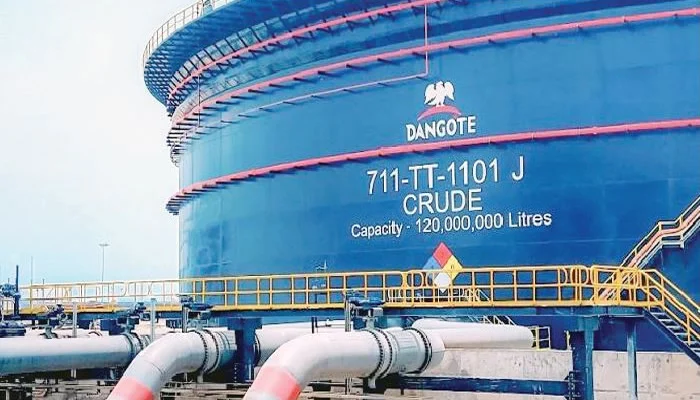
Nigerian marketers import Dangote fuel via Lome hub as regional fuel trading patterns continue to evolve across West Africa.
Industry experts revealed that a growing volume of refined petroleum products originally produced by the Dangote Petroleum Refinery is finding its way back into Nigeria through the offshore ship-to-ship trading hub located in Lome, Togo. The development comes despite increased domestic refining capacity and rising local supply from the refinery.
Speaking during a webinar organised by the Major Energies Marketers Association of Nigeria (MEMAN), energy market analyst Matthew Tracey-Cook explained that data from recent months showed a significant share of petroleum products imported into Nigeria originated from Dangote Refinery before being re-exported and later re-imported through international trading channels.
According to industry data presented during the session, between March and May 2026, more than 70 percent of fuel volumes imported into Nigeria were linked to products initially supplied from Dangote’s coastal operations. Similar trends were also observed in the diesel market, reflecting the refinery’s growing influence on regional fuel movements.
Market participants say the circular trading pattern may be driven by pricing differences between domestic sales and transactions conducted through international markets. Some marketers argue that purchasing products through external traders can sometimes be more competitive than sourcing directly within Nigeria.
The situation highlights the increasing integration of West African petroleum markets, with the Lome offshore hub playing a central role in the movement of refined products across the region. Analysts note that the hub has become an important trading centre connecting suppliers, traders, and buyers from multiple countries.
The trend comes amid ongoing debates over fuel import licences and market competition in Nigeria’s downstream petroleum sector. While Dangote Refinery has maintained that local refining capacity can meet domestic demand, marketers continue to argue that import channels remain necessary for supply security and market flexibility.
Industry observers believe the development underscores the growing impact of Dangote Refinery on fuel supply chains across Africa. Since reaching full operational capacity, the refinery has expanded exports to several African countries while strengthening its role as a major supplier of refined petroleum products within the region.
As fuel trade routes continue to adjust to changing market conditions, stakeholders expect pricing dynamics, logistics costs, and regional demand patterns to remain key factors influencing the movement of petroleum products across West Africa.