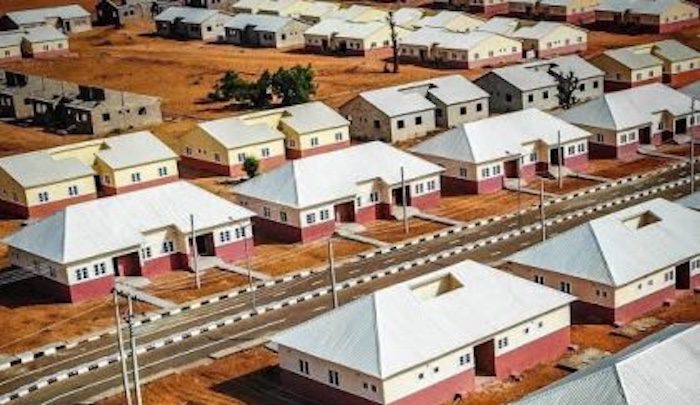
Nigeria housing deficit tops 20 million units, raising fresh concerns among industry stakeholders who say stronger government intervention is needed to improve housing delivery and expand access to affordable homes across the country.
Real estate developers and housing experts have warned that the widening gap between housing demand and supply continues to pose a major challenge to economic development and urban growth. With rapid population expansion and increasing urbanisation, the need for affordable residential housing has continued to outpace available supply.
Industry stakeholders argue that inadequate financing remains one of the biggest obstacles preventing large-scale housing development. Many developers struggle to secure affordable long-term funding, while commercial loans often come with high interest rates and repayment structures that are not suitable for real estate projects.
The challenge is compounded by limited access to mortgage financing for prospective homeowners. Experts note that many Nigerians are unable to obtain affordable mortgages, reducing effective demand for housing and making it more difficult for developers to recover investments through home sales.
Developers also point to rising construction costs as a major concern. Inflation, exchange rate volatility, and increasing prices of building materials have significantly raised project costs, forcing some developers to delay, scale down, or suspend projects altogether.
Beyond funding issues, stakeholders have identified infrastructure deficits, regulatory bottlenecks, land acquisition challenges, and multiple levies as factors contributing to the slow pace of housing delivery. According to industry experts, these issues increase development costs and ultimately affect housing affordability.
The housing sector plays a critical role in Nigeria’s economy, supporting construction, manufacturing, engineering, and other related industries. Experts warn that continued underinvestment in housing could have broader economic consequences, including reduced job creation and slower infrastructure development.
Stakeholders are therefore calling for stronger collaboration between government agencies, financial institutions, and private developers. Suggested measures include expanding access to housing finance, strengthening mortgage systems, encouraging public-private partnerships, and implementing policies that support long-term investment in residential development.
Analysts believe addressing the housing shortage will require sustained investment and coordinated action from both the public and private sectors. Without significant improvements in housing finance and development policies, the country’s housing deficit could continue to widen in the coming years.