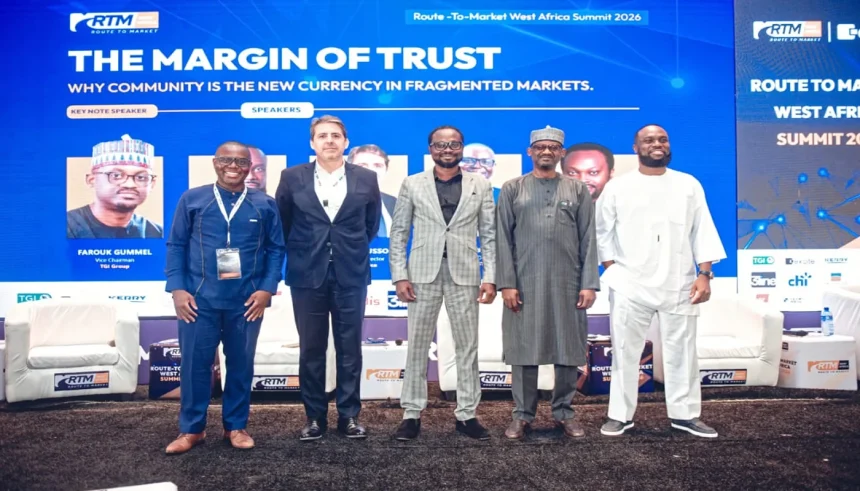
FMCG companies advocate data, AI-driven supply chains as industry leaders push for greater adoption of technology to improve efficiency, strengthen distribution networks, and enhance competitiveness across West Africa.
The call was made during the Route-to-Market West Africa Summit held in Lagos, where executives and supply chain experts gathered to discuss strategies for improving supply chain performance and expanding market reach in the fast-moving consumer goods sector. Industry stakeholders stressed that businesses must increasingly rely on data analytics, digital tools, and artificial intelligence to respond to changing consumer demands and operational challenges.
Participants noted that the FMCG industry is facing growing complexities, including fragmented markets, shifting customer preferences, and supply chain disruptions. They argued that leveraging data-driven insights can help companies make better decisions, improve forecasting, optimize inventory management, and strengthen customer service delivery.
Speaking at the summit, stakeholders emphasized that organizations must move beyond simply collecting data and focus on extracting actionable insights that can improve operational efficiency. They highlighted artificial intelligence as a valuable tool for enhancing decision-making, identifying market trends, and creating more resilient supply chains.
Industry leaders also pointed to data integration and advanced analytics as some of the most significant innovations transforming supply chain management. According to them, businesses are increasingly recognizing the value of data in driving growth, improving responsiveness, and maintaining a competitive edge in rapidly evolving markets.
The summit further highlighted the importance of building trust and collaboration across the supply chain ecosystem. Experts argued that technology, artificial intelligence, and real-time data sharing can create stronger partnerships between manufacturers, distributors, and retailers while improving overall operational performance.
Global trends show growing investment in AI-powered supply chain systems, with companies increasingly deploying predictive analytics, automation, and digital technologies to improve resilience and efficiency. Industry observers believe similar approaches could help African FMCG firms strengthen their market position and support long-term growth.
As competition intensifies across consumer goods markets, stakeholders maintain that businesses that embrace technology-driven supply chain strategies will be better positioned to meet customer expectations, reduce costs, and achieve sustainable growth.