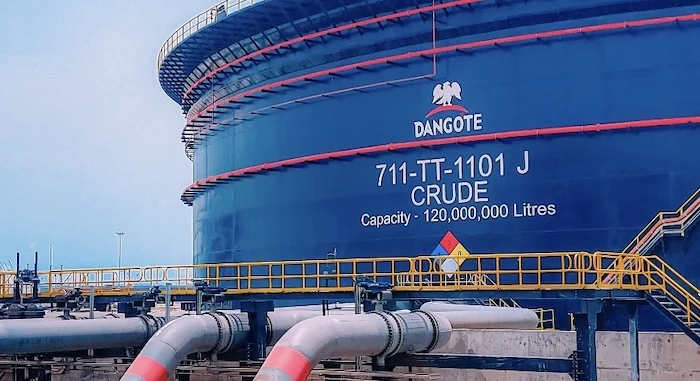
Domestic fuel prices across Nigeria are projected to remain above the N1,000 per litre threshold for the foreseeable future due to a developing commercial standoff between local importers and indigenous refining entities. Despite a significant contraction in global crude oil values, retail prices have held steady, shifting the focus to a competitive standoff between merchants utilizing overseas shipping channels and domestic manufacturing complexes. Market intelligence indicates that while the landed cost of offshore consignments hovers near N1,023 per litre, terminal distribution metrics from local operations sit marginally higher at N1,075 per litre, establishing a complex pricing dynamic across national depots.
Industrial operators indicate that the current deadlock stems from strategic caution among independent distributors who remain reluctant to aggressively slash pump prices. Representatives from independent marketing associations note that traders are navigating an unpredictable environment, particularly given the extensive capital leverage maintained by major localized refiners. This economic friction has effectively stalled systemic price drops, leaving consumers to navigate elevated costs even as the broader international energy market registers its lowest valuation indices since regional geopolitical disruptions eased.
In response to public dissatisfaction over sustained downstream tariffs, representatives from processing facilities have urged regulatory authorities to focus oversight on licensed merchants importing highly discounted alternative energy stocks. Plant executives argue that substantial import permissions granted by the federal administration should naturally translate to cheaper retail access, especially when sourcing commodities subject to international trade restrictions. However, refining stakeholders also noted that their own pricing flexibility remains constrained by legacy crude inventories acquired at previous premium rates, alongside structural supply shortages that necessitate alternative sourcing frameworks.
The regulatory environment continues to favor a fully liberalized downstream architecture, with ministerial directives explicitly ruling out arbitrary price ceilings. Administrative officials have emphasized that the modern economic framework relies entirely on open competition and transparent supply chains to regulate consumer costs. As various regional hubs adjust their terminal tariffs incrementally, industry experts suggest that any long-term relief at the pumps will depend entirely on how aggressively private importers and local production facilities engage in an open market share battle.