


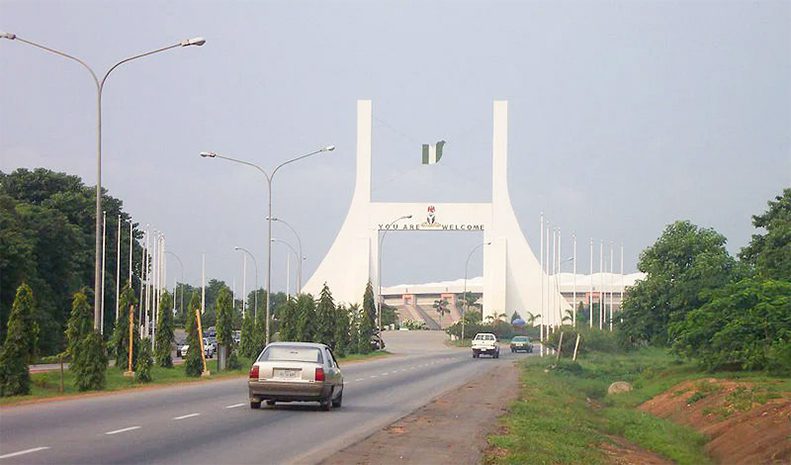
Abuja is fast becoming one of Nigeria’s most structured and predictable real estate markets, as new data shows the capital, alongside Lagos and Port Harcourt, accounts for over 60 percent of new residential developments nationwide.
However, analysts say Abuja’s growth stands out not just for its scale, but for its organised and policy-driven structure.
Unlike other cities, Abuja’s real estate expansion is guided by planning frameworks, institutional demand, and regulated land systems.
Structured Planning Drives Abuja Advantage
Real estate experts highlight Abuja’s origin as a master-planned city as a key factor behind its stability.
The city was designed using structured land use strategies, which continue to influence how housing demand and supply evolve.
At the centre of this system is the Abuja Geographic Information System (AGIS), which manages land administration through a centralised and digitised process.
This provides investors with clearer documentation, stronger title security, and reduced risk compared to other markets.
In contrast, cities like Lagos often face challenges linked to informal land ownership systems and documentation issues.
Institutional Demand Fuels Property Market
Abuja’s housing demand is largely driven by government institutions rather than just population growth.
Civil servants, political office holders, diplomats, and international organisations form a steady demand base for housing in the city.
This makes the market more stable and less volatile compared to other urban centres.
Property analysts note that this institutional demand helps sustain consistent growth, even during economic uncertainty.
High Property Prices Reflect Premium Market
The structured nature of Abuja’s real estate market is reflected in its pricing.
The average cost of a house in the city is estimated at about ₦182 million, with higher prices in premium areas such as Maitama, Asokoro, and Wuse II.
Meanwhile, emerging districts on the outskirts offer more affordable options, although prices continue to rise.
The pricing trend confirms Abuja’s position as a premium residential market.
Infrastructure-First Development Model
Another key strength of Abuja’s real estate sector is its infrastructure-first approach.
In many cases, roads, utilities, and public services are developed before housing projects begin.
This reduces development risks for investors and improves living conditions for residents.
It also ensures more organised urban growth compared to cities where housing expansion outpaces infrastructure.
Challenges Facing Abuja Housing Market
Despite its advantages, Abuja’s real estate sector still faces several challenges.
Experts point to bureaucratic delays, rising construction costs, and gaps in housing data as major concerns.
Affordability also remains a critical issue, as increasing property prices push home ownership beyond the reach of many middle-income earners.
Comparison with Lagos and Port Harcourt
Compared to Abuja, Lagos offers higher returns but comes with greater risks, especially in land acquisition and regulatory uncertainty.
Port Harcourt, on the other hand, has a more volatile property market tied to the performance of the oil and gas sector.
Abuja stands out for its balance between growth and stability, making it attractive for long-term investment.
Future Outlook for Abuja Real Estate
With Nigeria’s housing deficit estimated between 22 and 28 million units, demand for residential property is expected to remain strong.
Annual housing demand is projected to grow by about 4.3 percent, with Abuja attracting a significant share.
Analysts believe that continued urbanisation and improved land administration will further strengthen the city’s position.
Abuja is increasingly seen as a model for structured urban development in Nigeria.
