


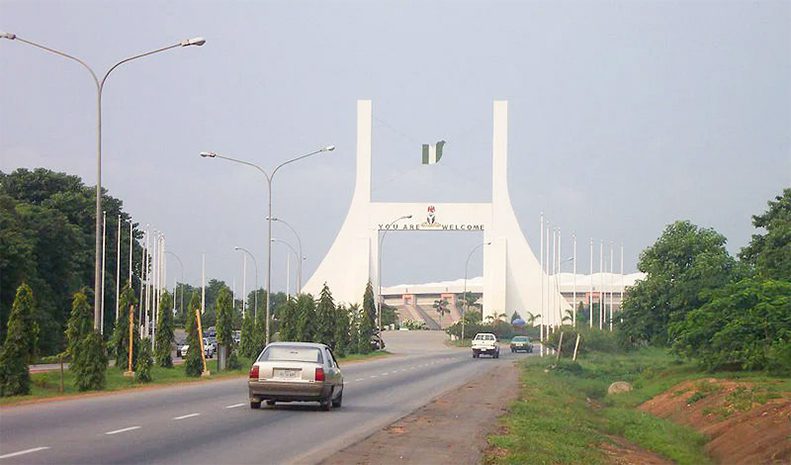
Abuja has emerged as the most preferred relocation destination for Nigerians seeking better opportunities and improved family wellbeing, despite growing concerns over high rents, rising living costs and electricity challenges, according to a new report by SBM Intelligence.
The report, titled “Where Nigerian Families Actually Thrive,” evaluated quality-of-life indicators across the Federal Capital Territory (FCT) and seven states, including Anambra, Bauchi, Cross River, Kano, Lagos, Oyo and Rivers.
The study assessed key factors influencing family wellbeing such as income levels, housing affordability, healthcare, education, safety, infrastructure and social support systems.
Abuja Leads as Nigerians’ Preferred Relocation Destination
According to the report, Abuja recorded 65 mentions from respondents who indicated they would relocate from their current locations if given the opportunity, making it the most desired destination nationwide.
Lagos followed with 42 mentions, while Anambra, Enugu and Uyo received 11, seven and six mentions respectively.
SBM Intelligence noted that the findings reveal a clear pattern, with many Nigerians viewing Abuja as the city that offers the best prospects for their families.
The report attributed Abuja’s appeal largely to its status as Nigeria’s seat of government, its perceived economic opportunities, and its reputation for order, security and stability.
“Abuja is where Nigerians across all regions want to move for their children’s sake,” the report stated.
Abuja’s Reputation Differs From Residents’ Reality
Despite its popularity among prospective movers, Abuja ranked only fourth overall in the report’s composite quality-of-life index.
With a score of 2.97 out of five, the Federal Capital Territory trailed Kano (3.92), Rivers (3.29) and Oyo (3.09).
SBM Intelligence described Abuja as a city whose image often differs from the realities experienced by residents.
“The irony is instructive,” the report noted, highlighting the gap between Abuja’s attractiveness and its actual quality-of-life performance.
Abuja Records Highest Income Levels
One of Abuja’s strongest advantages remains income generation.
The report found that the FCT achieved the highest income score among all locations surveyed, recording 3.16 out of five.
More than 41 percent of respondents reported earning between N500,000 and N999,999 monthly, while nearly 10 percent said they earned at least N1 million per month.
However, researchers observed that higher earnings do not necessarily translate into financial security for many households.
According to the findings, a significant portion of residents’ income is consumed by housing, transportation and utility costs, leaving limited room for savings or emergency expenses.
Housing Costs and Affordability Remain Major Challenges
The report identified affordability as one of Abuja’s weakest areas.
On housing affordability and the general cost of family living, the city scored 2.25 out of five, ranking behind Kano, Rivers and Oyo.
The findings align with increasing concerns about the cost of living in Nigeria’s capital, particularly the rapid rise in residential rents.
SBM Intelligence referenced a separate 2026 study indicating that a monthly income of N300,000 is becoming increasingly inadequate in Abuja, with rent alone consuming up to 40 percent of earnings for many workers.
Residents Express Low Confidence in Electricity Supply
The report also revealed growing dissatisfaction with electricity supply in the FCT.
Only 19 percent of Abuja residents surveyed expressed confidence that power supply would improve within the next two years—the lowest optimism level recorded among all locations studied.
SBM Intelligence described this as a significant indication of public concern regarding one of the capital’s most persistent infrastructure challenges.
Abuja Remains Nigeria’s City of Aspiration
Despite affordability pressures, rising rents and concerns over electricity supply, Abuja continues to be viewed as Nigeria’s leading city of opportunity.
SBM Intelligence concluded that while the capital may not currently offer the highest quality of life, it remains the destination many Nigerians believe provides the best future for their families.
The report described Abuja as “the aspiration, not the reality,” underscoring the gap between perception and everyday experiences.