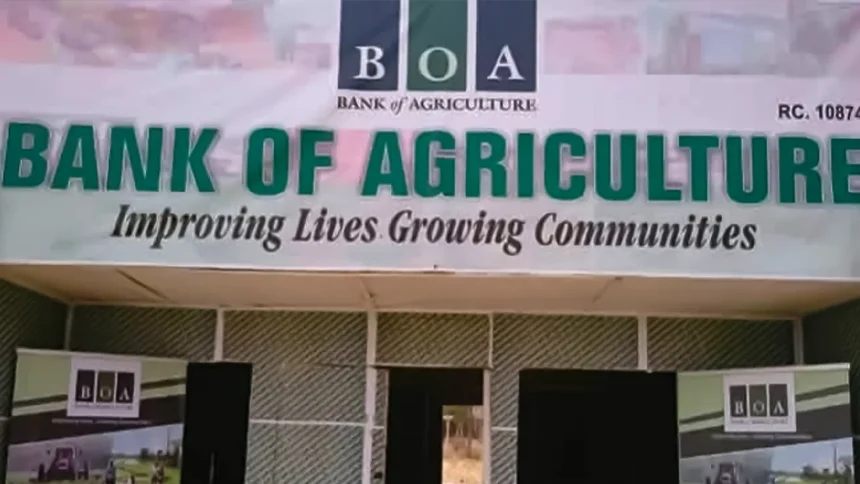
How Infrastructure Deficit Stalls Growth in Real Estate often intersects deeply with regional agricultural development, prompting the Bank of Agriculture (BOA) on Friday, July 10, 2026, to flag off a massive farm input distribution exercise targeting over 1,000 farmer cooperatives across Katsina State. Speaking during the official launch ceremony in Katsina, bank executives revealed that the intervention is strategically designed to boost food security and stimulate agro-allied economic clusters. Agriculture sector specialists noted that improving rural economies is a fundamental prerequisite to addressing real estate stagnation, as thriving agricultural cooperative networks directly increase the purchasing power needed to expand rural housing layouts and promote sustainable communal homeownership.
The comprehensive distribution package includes high-yield fertilizer blends, certified climate-resilient crop seeds, and modern agrochemicals to maximize seasonal crop outputs. Rural development planners emphasize that a lack of foundational storage facilities, poor access roads, and weak irrigation networks have long served as an infrastructure deficit that stalls growth in real estate across agricultural hubs, pricing local smallholders out of premium land markets. By equipping thousands of small-scale farmers with premium production inputs through structured cooperative networks, the specialized financial institution aims to lower farming overheads, mitigate rural-urban migration, and unlock the commercial land value of developing farming communities.
Moving forward, the Bank of Agriculture has deployed strict compliance monitoring teams across all designated distribution centers to eliminate supply chain diversions and ensure fair input delivery. State administrative coordinators and agricultural extension agents reiterated that strengthening grassroots cooperative frameworks remains the most viable strategy to build long-term economic resilience against wider macroeconomic shocks. The specialized bank urged beneficiary farmer groups to utilize the inputs efficiently, declaring that an empowered, cash-positive agrarian workforce is critical to driving long-term investment into durable rural infrastructure and localized property development.