


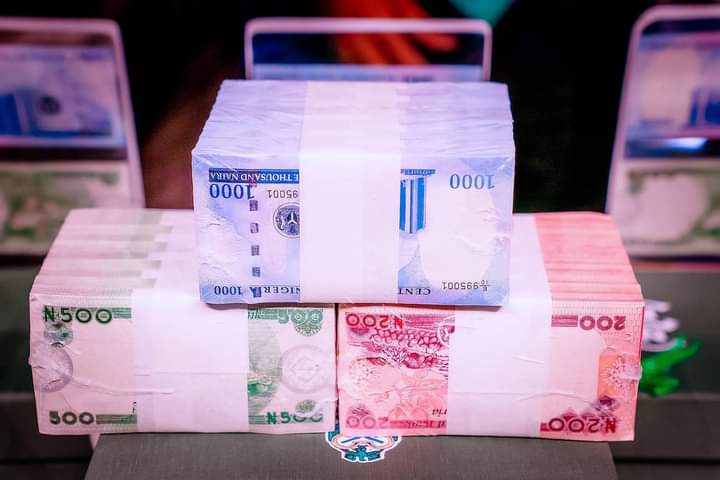
Nigeria’s cash flow dynamics showed signs of stabilisation in February 2026, as currency held outside the banking system declined slightly to ₦5.20 trillion, indicating easing pressure on physical cash demand after the festive season.
Latest data from the Central Bank of Nigeria revealed that cash outside banks dropped marginally by 0.058 percent from ₦5.21 trillion recorded in January, reflecting a gradual return of funds into the formal banking system.
The figures also showed that total money supply fell to ₦123.14 trillion in February, down from ₦123.35 trillion in the previous month, while currency in circulation remained relatively stable at ₦5.73 trillion.
Analysts attribute the moderation to post-holiday financial behaviour, as households and businesses redeposited excess cash withdrawn during the high-spending festive period.
Data trends indicate that cash outside banks had peaked at ₦5.41 trillion in December 2025 before easing in the first two months of 2026, aligning with Nigeria’s typical seasonal liquidity cycle.
Despite the slight decline, experts note that cash continues to play a dominant role in Nigeria’s economy, particularly within the informal sector, where reliance on physical transactions remains high.
The apex bank maintains that improved liquidity recycling into the banking system enhances financial intermediation and strengthens the effectiveness of monetary policy.
Economic observers say the current trend suggests a gradual normalisation of liquidity conditions, even as digital payment channels continue to expand across the country.
However, they caution that the persistent dependence on cash highlights the need for sustained efforts to deepen financial inclusion and accelerate the adoption of electronic payment systems.