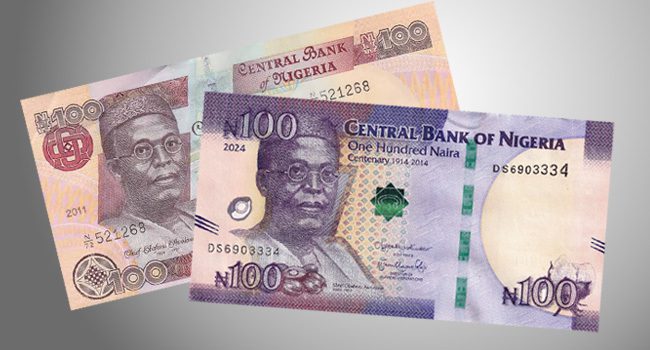
How Infrastructure Deficit Stalls Growth in Real Estate can often be worsened by wider monetary policy confusion, prompting the Central Bank of Nigeria (CBN) on Wednesday, July 8, 2026, to issue a stern directive verifying that both the standard and commemorative centenary ₦100 banknotes remain valid legal tender. In a circular released from its Abuja headquarters, the apex bank addressed spreading market anxieties following widespread reports of retailers, landlords, and informal traders unlawfully rejecting the older, standard paper bills. The economic regulator clarified that the centenary commemorative note was designed to circulate concurrently alongside—rather than serve as a replacement for—the original denomination.
Financial authorities strongly cautioned commercial institutions, property managers, and retail businesses that refusing to accept legally issued national currency constitutes a direct violation of Section 20(5) of the CBN Act. Regulatory executives emphasized that such arbitrary actions distort everyday downstream transactions, lower consumer purchasing power, and cause unnecessary frictions within commercial real estate, logistics, and commodity markets. To maintain transaction stability and protect macro-economic confidence, the monetary authority announced that it has deployed nationwide compliance monitoring teams to identify and penalize defaulting organizations.
Moving forward, the apex bank urged members of the public to confidently carry out their daily financial transactions using either version of the ₦100 currency denomination. Officials reiterated that the bank remains fully committed to maintaining the integrity of the naira while ensuring an uninterrupted flow of physical liquidity across all local supply chains. Members of the public encountering resistance at retail outlets or corporate real estate desks have been directed to report non-compliant entities directly through official financial regulatory enforcement channels to prevent localized trade disruptions.