


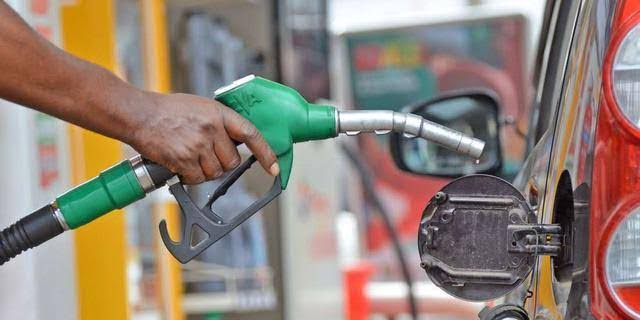
Fuel prices may decline in the coming days as global crude oil prices continue to fall following ongoing peace talks between the United States and Iran, raising optimism in global energy markets.
Oil prices dropped from about $111 last week to $97 per barrel on Monday morning, signalling a sharp reversal after months of volatility driven by geopolitical tensions in the Middle East.
Oil Price Decline Follows Diplomatic Progress
Brent crude had previously hovered between $103 and $105 per barrel, supported by fears surrounding the conflict between the United States and Iran.
However, renewed diplomatic engagement and reports of progress in peace talks have triggered a significant market correction, with prices sliding to $97.48 per barrel.
Analysts say the decline reflects expectations that the Strait of Hormuz, a key global oil transit route, may soon reopen under a potential US–Iran agreement.
Impact of Middle East Conflict on Oil Prices
Crude oil prices had surged above $100 per barrel after tensions escalated between the United States and Iran in late February.
At the peak of the crisis, prices crossed $115 per barrel, causing ripple effects across global fuel markets.
In Nigeria, petrol prices rose from around N830 per litre to about N1,300, while diesel and aviation fuel also recorded sharp increases, putting pressure on households, transport operators, and airline companies.
Nigeria Watches as Global Prices Decline
With crude prices now trending downward, market observers say there is growing speculation that fuel prices in Nigeria could ease if the decline continues.
There are also expectations that the Dangote Petroleum Refinery and other downstream operators may review pump prices in response to global market movements.
US–Iran Talks Show Signs of Progress
US President Donald Trump recently stated that the Strait of Hormuz would be reopened as part of a proposed agreement involving the United States, Iran, and several Middle Eastern countries.
He said discussions with global partners were ongoing and described the talks as “orderly and constructive”.
Trump also noted that final details of the agreement were still being negotiated, but progress had been made toward a possible resolution.
Iran Confirms Negotiation Progress
Iranian authorities confirmed that discussions with the United States are advancing, although they stressed that a final agreement is not imminent.
According to Iran’s Foreign Ministry spokesperson, Esmail Baqai, both sides have reached understanding on several issues, but formal signing of an agreement remains uncertain.
Strategic Importance of the Strait of Hormuz
The Strait of Hormuz, through which nearly 20 per cent of global oil supply passes, remains central to global energy stability.
Any reopening of the waterway under a peace deal is expected to ease supply concerns and further push oil prices downward.