


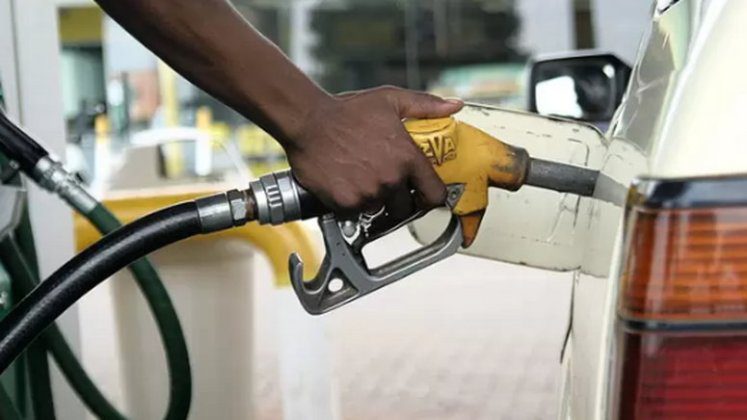
Petrol prices may soon decline to around N1,200 per litre as the Dangote Petroleum Refinery and other depot operators continue to reduce ex-depot rates following a sharp drop in global crude oil prices.
The development comes after the Dangote Refinery announced a N75 reduction in its petrol gantry price, lowering the rate from N1,250 per litre to N1,175 per litre.
According to industry data, the adjustment has prompted other depot owners to cut their prices to about N1,180 per litre, signaling a potential reduction in retail pump prices across the country.
In a circular issued to marketers, the refinery attributed the price cut to easing tensions in the Middle East, which had previously pushed energy prices higher.
“Following the de-escalation of tensions in the Middle East, which has impacted energy prices, we wish to inform you that we have reviewed our premium motor spirit gantry/coastal price,” the refinery stated.
The company also reduced its coastal price per metric tonne from N1,595,790 to N1,495,215, with the new rates taking effect from June 16, 2026.
Despite the reduction at the depot level, many filling stations are still selling petrol at around N1,280 per litre, as marketers seek to clear existing stocks purchased at higher prices.
The National Publicity Secretary of the Independent Petroleum Marketers Association of Nigeria (IPMAN), Chinedu Ukadike, said consumers should expect pump prices to begin adjusting within days as new supplies enter the market.
According to him, petrol could sell for between N1,200 and N1,250 per litre in Lagos, while prices in other parts of the country may remain slightly higher due to transportation and logistics costs.
“This announcement is enabling people who have old stocks to clear out their stocks and prepare to take fresh supplies. By tomorrow and Friday, people will start adjusting to the new price,” he said.
Ukadike explained that marketers cannot immediately reduce prices without incurring losses on existing inventory purchased before the latest adjustment.
The latest reduction follows a significant decline in international crude oil prices after reports of a peace agreement between the United States and Iran and the reopening of the Strait of Hormuz.
Global oil benchmark Brent crude reportedly fell from about $87 per barrel to below $80 per barrel after the agreement, easing pressure on fuel markets worldwide.
During the three-month geopolitical crisis, crude prices surged above $100 per barrel and, at some points, exceeded $120 per barrel, contributing to higher fuel prices in Nigeria.
The Petroleum Products Retail Outlet Owners Association of Nigeria (PETROAN), however, raised concerns that imported petroleum products appear cheaper than some locally refined products and called for increased competition in the downstream sector.
Meanwhile, industry observers believe further reductions may occur if crude oil prices continue their downward trend.
Some analysts have projected that petrol prices could fall below N1,000 per litre in the coming weeks if the ceasefire agreement remains effective and global oil markets remain stable.
A refinery official, however, noted that further reductions may take time because refiners are still processing crude oil purchased at previously higher prices.
