


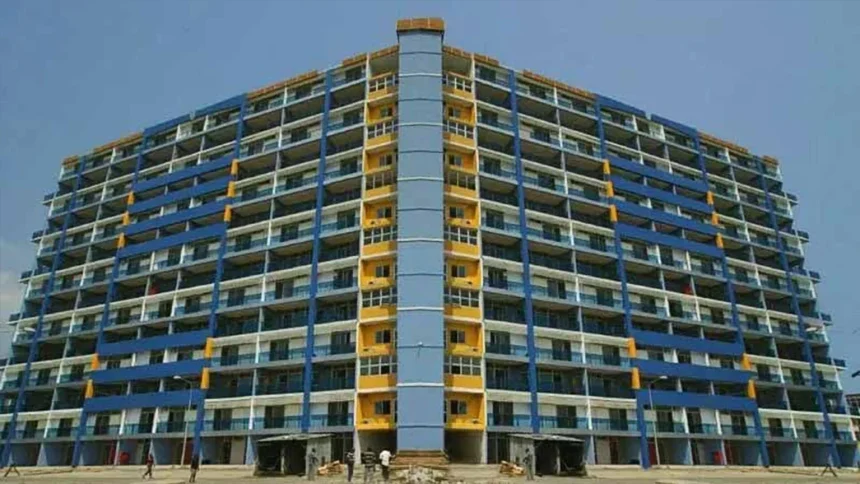
Nigeria’s deepening energy crisis is triggering fresh tensions in the real estate sector, as rising electricity tariffs and fuel costs force facility managers to increase service charges, drawing resistance from tenants already battling inflation and shrinking incomes.
Across major cities, including Lagos, Abuja, Port Harcourt, and Kano, the rising cost of powering residential estates, office complexes, and commercial hubs has become a defining challenge for developers and property managers. With the national grid struggling to deliver stable electricity, most facilities now depend heavily on diesel and petrol-powered generators, significantly increasing operational expenses.
Industry stakeholders say the situation has worsened in recent months, driven by global energy disruptions and domestic economic pressures. The removal of fuel subsidies, foreign exchange volatility, and frequent grid collapses have combined to push petrol and diesel prices to record levels, further straining the built environment.
The ripple effects are evident in service charge disputes emerging between estate managers and residents. Many facility managers are now reviewing and renegotiating charges to reflect current energy costs, but tenants argue that their incomes have not kept pace with rising expenses.
In several estates, operators have begun rationing electricity supply, reducing service hours, or cutting non-essential services to manage escalating costs. In more severe cases, prolonged outages have been reported where fuel supply becomes unsustainable.
Experts warn that the growing disconnect between operational costs and tenant affordability is creating a structural imbalance in Nigeria’s housing market, with implications for both occupancy rates and investment returns.
Energy remains one of the largest cost components in facility management, powering essential services such as lighting, water systems, security infrastructure, and cooling systems. However, Nigeria’s power generation continues to fall short of demand, leaving millions reliant on self-generated electricity.
As a result, developers and investors are increasingly turning to alternative energy solutions, including solar power systems, inverters, and hybrid energy models that combine renewable sources with backup generators.
While these solutions offer some relief, stakeholders note that the high upfront cost of installation is reshaping property pricing. In premium estates, reliable power supply is fast becoming a key selling point, with buyers willing to pay a premium for uninterrupted electricity.
This shift is gradually redefining property value across urban markets, creating a divide between high-end developments with integrated renewable systems and middle-income housing that still depends on traditional energy sources.
Despite the growing appeal of solar energy, adoption remains limited by cost barriers. A full solar installation for a standard residential apartment can run into millions of naira, placing it out of reach for many households. Smaller systems, while more affordable, often provide limited power capacity.
Industry observers have also raised concerns about the influx of substandard solar equipment in the market, warning that poor-quality installations could undermine confidence in renewable energy and pose long-term risks.
Facility management professionals say the pressure on operators has intensified, with energy costs now accounting for a significant share of total expenses. This has forced difficult negotiations with tenants, many of whom are unwilling or unable to absorb further increases.
Calls are now growing for government intervention to stabilise the sector. Experts advocate financing schemes that would enable households and estates to transition to solar energy through structured payment plans, reducing the burden of upfront costs.
There are also renewed calls for decentralised power generation, allowing states, communities, and estates to develop independent energy systems. Stakeholders believe such models could provide more reliable and cost-effective electricity while easing pressure on the national grid.
As Nigeria grapples with persistent energy challenges, analysts warn that failure to address systemic inefficiencies in the power sector could further strain the real estate market, affecting housing affordability, investment flows, and overall economic stability.
