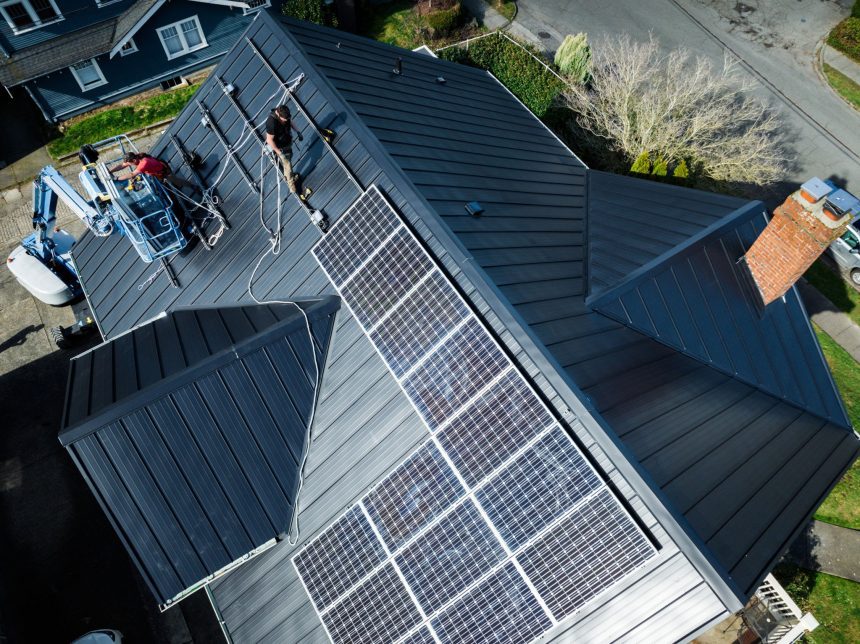
Experts Warn of Hazards in Nigerian Building Solar Setup as the rapid adoption of renewable energy exposes major structural and electrical vulnerabilities across the country. While conventional power grid instabilities have driven homeowners and commercial property developers to embrace clean energy alternatives, leading architectural and engineering specialists are raising the alarm over systemic safety gaps. They point out that while solar infrastructure delivers consistent, decentralized electricity even under overcast skies, the lack of professional oversight is creating ticking time bombs in urban centers.
Industry professionals emphasize that poor architectural integration and substandard hardware counteract the environmental benefits of transitioning away from fossil-fuel generators. Heavy energy storage battery arrays and improperly secured photovoltaic mounting rails are placing unauthorized stress on residential roofs. Without proper load-bearing calculations, these installations are leading to severe roof degradation, systemic leaks, and structural compromises that threaten property integrity.
Electrical safety has also become a critical point of concern for regulators within the expanding clean energy economy. Investigators note a direct correlation between uncertified power inverters, poor wiring techniques, and the rise of localized structural fires. Industry analysts emphasize that the accelerating momentum of solar deployment must be matched by rigid standardization to prevent widespread asset loss and maintain consumer confidence.
To ensure long-term viability, safety compliance and specialized training must become mandatory across the domestic market. Addressing these underlying engineering challenges will determine whether solar integration remains a safe pillar of regional green growth or a persistent hazard for urban African real estate.