The Human Rights Writers Association of Nigeria has raised serious concerns regarding the ongoing confiscation of private lands by state governments across the federation. According to the advocacy group, various state chief executives are increasingly exploiting provisions within the national land framework to take over private assets without providing equitable recourse to the affected individuals. The organization noted that the trend has historically generated severe financial and emotional trauma for thousands of families nationwide.
In a public statement, the national coordinator of the group, Emmanuel Onwubiko, stressed that the legal authority to acquire land for public development must not be handled with high-handedness. He pointed out that previous administrative actions in states such as Lagos, Anambra, and older dispensations in Kaduna left numerous citizens displaced from their ancestral properties and businesses without receiving timely or commensurate financial restitution. The rights group insisted that infrastructure development and the protection of citizen asset rights should coexist harmoniously within a democratic society.
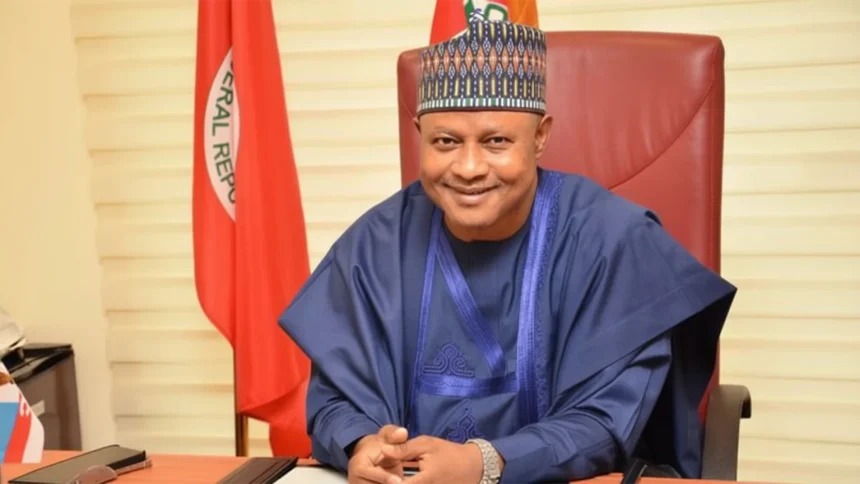
Conversely, the association highlighted the recent approach of the current Kaduna State administration led by Governor Uba Sani as a positive model for governance. The state government recently modified the implementation schedule of its 15-kilometre ring road initiative to execute a transparent valuation of all impacted structures prior to any displacement. Consequently, the administration distributed compensation payouts to 122 households, bringing the total infrastructure-related restitution expenditure in the state to over N3 billion.
The advocacy body has called on governors across all tiers of the federation to institutionalize structural reforms that prioritize community engagement before land acquisitions occur. The group concluded that public trust and sustainable development can only be maintained when state governments treat individual property owners as active partners in regional growth rather than peripheral casualties of infrastructural expansion.