Nigeria’s sweeping economic reforms have earned strong commendation from the International Monetary Fund (IMF), with the global lender pointing to growing stability and signs of durable recovery in its latest Article IV Consultation report.
The IMF noted that recent policy reforms have helped restore macroeconomic stability, describing them as bold and necessary steps toward rebuilding investor confidence and strengthening the country’s financial system.
A key highlight of the reforms is the renewed independence of the Central Bank of Nigeria (CBN), which has significantly reduced its reliance on the controversial “Ways and Means” financing. According to the IMF, these advances have been cut by nearly 90 percent, marking a decisive end to deficit monetisation and reinforcing the foundation for inflation control.
The impact is already visible. Nigeria’s headline inflation, which previously surged above 40 percent, has dropped to 22.9 percent as of May 2025, reflecting the effectiveness of the CBN’s tight monetary policy stance.
The IMF also praised the country’s foreign exchange (FX) reforms, particularly the transition to a unified exchange rate system under a willing-buyer, willing-seller framework. This has improved liquidity, transparency, and price discovery in the FX market.
As a result, Nigeria recorded stronger foreign reserve growth, with reserves rising to $40.9 billion by the end of 2024, while FX inflows reached $6.9 billion in Q1 2025. The gap between official and parallel market rates has also narrowed significantly, falling from over 60 percent to below 3 percent, signalling improved market confidence.
In a further boost, Nigeria returned to the Eurobond market in January 2025 for the first time in four years, reflecting renewed investor confidence and increased portfolio inflows.
The IMF equally acknowledged ongoing reforms in the banking sector, including plans to increase banks’ minimum capital requirements by March 2026. The initiative is expected to strengthen financial institutions, improve credit access, and support long-term economic growth.
Efforts to expand financial inclusion, particularly through digital banking platforms and initiatives like the Women’s Financial Inclusion (Wi-Fi) programme, were also commended as part of broader structural reforms.
Despite the positive outlook, the IMF cautioned that challenges remain, including inflation pressures, infrastructure deficits, insecurity, and fiscal risks. It stressed the need for continued reforms in agriculture, energy supply, healthcare, and education to sustain growth.
“Recent reforms should help establish a strong foundation for sustained and inclusive growth,” the IMF noted, while calling for policy consistency and coordination in navigating global economic uncertainties.
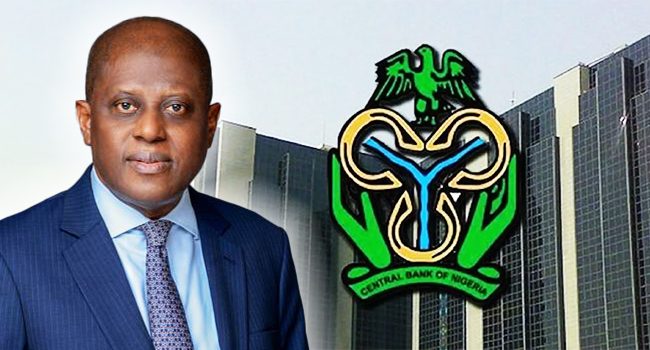
Reacting to the report, CBN Governor Olayemi Cardoso said the assessment reinforces Nigeria’s progress toward restoring credibility and achieving long-term economic stability.
“This affirms that Nigeria is regaining credibility and laying the foundation for inclusive growth. It is also a reminder that discipline and vision remain essential,” Cardoso said.