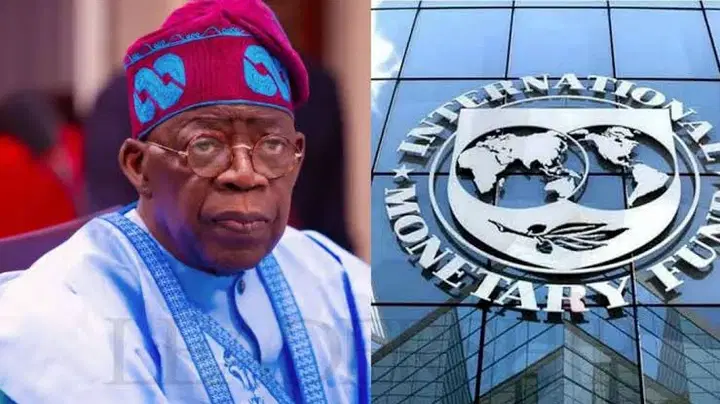
The International Monetary Fund has warned that Nigerians may face more difficult economic conditions in the coming months as rising food and transport costs continue to strain household incomes.
The warning was issued by the IMF’s African Department Director, Abebe Selassie, during a briefing at the ongoing Spring Meetings of the World Bank and IMF in Washington, D.C.
Selassie said global shocks, including geopolitical tensions and supply chain disruptions, are already driving up the cost of living across Sub-Saharan Africa, with Nigeria among the hardest hit.
According to him, transportation costs have surged significantly, affecting both urban and rural populations and pushing food prices even higher.
“The immediate effect will be pressure on food security and transportation, which will ultimately raise the cost of food,” he said, noting that many households are already feeling the impact.
He added that the rising cost of living is making daily survival increasingly difficult for Nigerians, as inflation continues to erode purchasing power.
Despite these challenges, the IMF noted that Nigeria could benefit from rising crude oil prices, with key grades such as Brass River and Qua Iboe trading above $113 per barrel—well above the $60 benchmark in the 2026 budget.
Analysts say the surge in oil prices, driven by tensions in the Middle East and uncertainties around U.S.-Iran relations, could boost government revenue in the short term.
However, the IMF cautioned that the potential windfall may not translate into broad economic relief, as structural challenges and debt obligations remain significant.
The Fund projected that Nigeria’s debt-to-GDP ratio will rise to 33.1 percent by 2027, highlighting concerns about fiscal sustainability despite a slight downward revision from earlier estimates.
Data from the Debt Management Office shows that the country’s total public debt rose to ₦159.27 trillion as of the fourth quarter of 2025.
On policy direction, the IMF advised the government to maintain ongoing economic reforms, improve revenue generation, and prioritise critical spending.
Selassie stressed that abandoning reforms could worsen the situation, warning that inconsistent policies may derail long-term economic stability.
He also emphasised the need for stronger domestic revenue mobilisation, improved tax efficiency, and better public spending management.
In addition, the IMF warned against broad-based subsidies, describing them as costly and difficult to sustain, while urging policymakers to adopt targeted interventions that protect vulnerable populations.
Experts have also raised concerns about Nigeria’s fiscal outlook, noting that while the debt-to-GDP ratio appears moderate, the country’s limited revenue base poses a bigger risk.
They argue that a large informal economy and weak tax collection reduce the government’s capacity to service debt effectively.
Economic analysts further warned that higher oil prices could lead to increased fuel costs domestically, especially as the government maintains its stance against fuel subsidies.
This, they say, could worsen inflation and deepen economic hardship for millions of Nigerians already grappling with rising living costs.