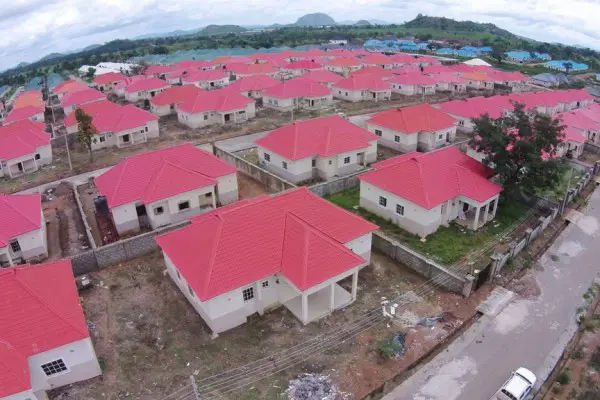
Housing has remained one of the most pressing development challenges in Nigeria, with experts increasingly pointing to infrastructure deficits as the major constraint limiting supply, affordability, and sustainable urban growth across the country.
Across developed economies, housing is treated not just as shelter but as a strategic pillar for economic stability, social welfare, and national productivity, shaping policies that ensure citizens have access to affordable and quality living conditions.
Globally, frameworks such as the Universal Declaration of Human Rights and the International Covenant on Economic, Social and Cultural Rights reinforce housing as a fundamental human right, compelling governments to adopt inclusive and sustainable housing policies.
In Europe and the United States, sustained investments in public and social housing, backed by strong infrastructure systems, have helped bridge housing gaps while boosting economic growth and improving living standards.
For Nigeria, however, the situation remains dire, with a housing deficit estimated at over 28 million units, driven by rapid urbanisation, population growth, and rising demand for residential and commercial spaces.
As more Nigerians migrate to urban centres in search of economic opportunities, pressure on available housing continues to intensify, worsening living conditions and deepening inequality, particularly among low-income households.
Industry stakeholders argue that the crisis is largely a result of systemic challenges, including weak urban planning, high construction costs, limited access to finance, and inconsistent policy implementation across different levels of government.
They maintain that without deliberate and coordinated intervention, Nigeria’s housing shortfall will continue to widen, further constraining economic development and social stability in rapidly expanding cities.
Experts note that infrastructure development remains the most critical enabler of large-scale housing delivery, influencing where investments flow and determining the pace at which new housing projects can be executed.
In countries such as the United States and China, massive and sustained investments in infrastructure—including transportation networks, power supply, and urban planning systems—have significantly boosted real estate development and improved housing accessibility.
These investments have not only enhanced property development but also created jobs, increased productivity, and strengthened overall economic performance, making housing more attainable for a broader segment of the population.
In contrast, Nigeria continues to grapple with inadequate infrastructure, particularly in critical areas such as electricity, roads, rail systems, and water supply, all of which directly impact housing costs and availability.
Analysts emphasise that improving infrastructure will reduce construction expenses, attract private sector participation, and unlock new areas for development, thereby expanding housing supply and lowering costs for end-users.
They further stress that government-led infrastructure projects must be prioritised and sustained, as they play a pivotal role in shaping real estate markets and driving long-term economic growth.
Ultimately, stakeholders agree that addressing Nigeria’s housing crisis requires a holistic approach that combines infrastructure investment, policy reforms, and active collaboration between government and private sector players to deliver affordable housing at scale.