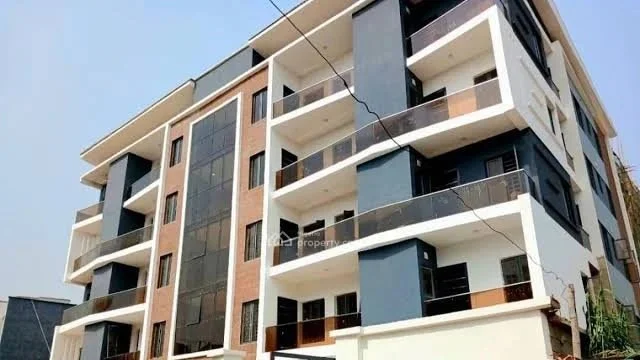
The average annual cost of leasing a two-bedroom apartment within Lekki Phase 1 has reached ₦10 million, establishing the highest pricing benchmark recorded in the neighborhood over the last five years. This rapid valuation surge establishes the community as the leading location for growth in Lagos Island’s upscale residential rental market. Industry evaluations show that the neighborhood maintained a compound annual growth rate of 35.9 percent in rental prices across the five-year tracking window, significantly outpacing rival affluent zones in the metropolitan region.
Macroeconomic realities, including severe construction material inflation, volatile exchange rates, and steep financing costs, have directly forced developers and landlords to elevate asking prices to safeguard their investments. Compounding the situation, escalating service charges, facility upkeep expenses, and baseline utility provisions have substantially ballooned the cumulative occupancy overhead for premium properties. This pricing trajectory persists despite broader economic tightening, fueled heavily by strong, continuous interest from multinational corporate executives, expatriates, and high-earning local professionals.
Severe inventory limits have further insulated the area’s premium pricing models, as the local appetite for modern, fully managed apartment complexes consistently outstrips ongoing residential construction outputs along the subregion. While this upward trend guarantees reliable yields and capital appreciation for real estate investors, it increasingly worsens broad urban affordability issues by pushing middle-tier households out of highbrow districts. Consequently, market analysts expect this imbalance to redirect future suburban residential construction toward emerging mainland corridors where entry-level housing solutions remain economically viable.