By Housing Development Advocacy Network (HDAN)
The Housing Development Advocacy Network (HDAN) has applauded the Federal Government of Nigeria and Family Homes Funds Limited for launching the National Student Housing Programme, a major intervention designed to tackle the persistent accommodation shortage across tertiary institutions nationwide.
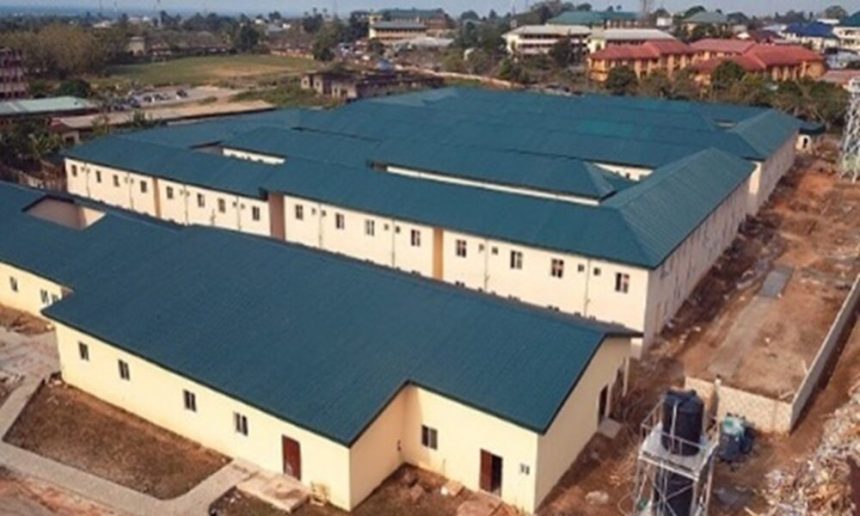
The initiative, developed in partnership with the Tertiary Education Trust Fund (TETFund) and private sector investors, is structured under a Public-Private Partnership (PPP) model. It aims to deliver modern, purpose-built student accommodation across universities, polytechnics, and colleges of education.
A Strategic Response to a Growing Deficit
Nigeria’s expanding student population continues to outpace available on-campus housing. With fewer than 15 percent of students currently accommodated within campuses, a large number are compelled to rely on expensive and often substandard off-campus options.
The National Student Housing Programme is positioned to address this challenge through the delivery of thousands of new bed spaces across multiple institutions, improving access to safe and conducive learning environments.
Redefining Student Living Standards
The proposed housing developments will move beyond traditional hostel systems by introducing modern facilities tailored to contemporary student needs. These include ensuite and well-ventilated rooms, dedicated study and reading areas, cafeterias and retail spaces, laundry and facility management services, as well as secure and professionally managed environments.
This approach reflects a shift toward integrated campus living systems that enhance both academic performance and overall student wellbeing.
Positioning Housing as Economic Infrastructure
Commenting on the initiative, the Executive Director of HDAN, Festus Adebayo, described the programme as a transformative step in aligning housing delivery with national development priorities.
“This initiative reinforces what we have consistently advocated — that housing must be treated as economic infrastructure. Student housing sits at the intersection of education, finance, and real estate. When effectively implemented, it can unlock investment, drive development, and improve educational outcomes.”
Driving Investment Through PPP Models
HDAN noted that the structure of the programme presents a strong opportunity to attract long-term capital into the housing sector, particularly from institutional investors such as pension funds, insurance companies, and private equity firms.
By positioning student accommodation as a viable rental housing asset class, the initiative opens new pathways for sustainable housing finance in Nigeria and across Africa.
A Scalable Model for Africa
The Network emphasized that the programme provides a practical and scalable framework that can be replicated across African countries facing similar housing and education infrastructure deficits.
“Africa must begin to move beyond conventional housing approaches. Purpose-built rental housing, particularly in student accommodation, offers a clear pathway to delivering housing at scale while ensuring sustainable returns for investors,” Adebayo added.
AIHS 2026 to Spotlight Housing Innovation
HDAN further disclosed that housing innovation and financing models, including student accommodation, will feature prominently at the Africa International Housing Show (AIHS) 2026.
The event is scheduled to hold from July 13 to July 18, 2026, at the Transcorp Hilton Abuja, where policymakers, investors, developers, and housing experts will convene to explore practical solutions to Africa’s housing challenges.
Call for Multi-Stakeholder Support
HDAN called on relevant stakeholders across the public and private sectors, including government institutions, developers, financial organizations, and development partners, to actively support the successful implementation of the programme.
The National Student Housing Programme represents a significant step toward closing Nigeria’s housing gap while strengthening its education system. With effective execution and coordinated stakeholder engagement, it has the potential to serve as a model for housing delivery across Africa.