


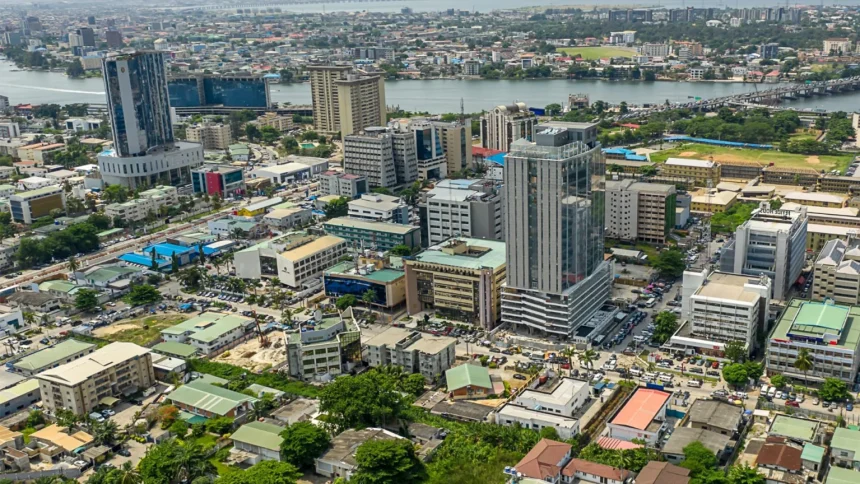
The Nigerian Institution of Estate Surveyors and Valuers has called for a strategic shift in Nigeria’s real estate development approach, urging stronger alignment with infrastructure investments to drive inclusive and sustainable growth.
The call comes as industry stakeholders gather in Umuahia, Abia State, for a high-level conference focused on integrating real estate planning with the country’s expanding infrastructure corridors.
Speaking ahead of the event, NIESV Second Vice President, Emmanuel Mark, warned that Nigeria risks missing the full benefits of ongoing infrastructure expansion without coordinated planning.
He outlined a framework centred on integrated planning, regulatory reforms, inclusivity, and data-driven decision-making, stressing that investments in transport, energy, and digital infrastructure must be deliberately aligned with real estate development.
Mark emphasised the need to move away from fragmented, project-based development toward coordinated spatial planning that defines land use, density, and development standards.
According to him, such an approach would encourage mixed-use and transit-oriented developments, helping to build efficient urban centres while reducing unplanned urban sprawl.
He also highlighted the importance of leveraging infrastructure nodes such as transport hubs, energy systems, and digital networks as anchors for real estate growth, noting that collaboration between government, developers, and investors is critical to mobilising long-term capital.
On regulatory issues, Mark identified bureaucratic bottlenecks and high transaction costs as key barriers to investment, calling for streamlined approval processes, clearer policies, and stronger public-private partnerships to boost investor confidence.
Beyond economic considerations, he stressed the importance of inclusivity, warning that infrastructure-led development could displace vulnerable communities if not properly managed.
He advocated for the integration of affordable housing into major projects, supported by subsidies and innovative financing models, as well as land value capture mechanisms to ensure that local communities benefit from rising property values.
Also speaking, NIESV National Publicity Secretary, Richard Olodu, noted that Nigeria is witnessing a transition from isolated infrastructure projects to integrated development corridors that are opening new economic opportunities.
He explained that improved connectivity, particularly through transport networks, is reshaping where people live, work, and invest, while also unlocking growth in previously underserved areas.
However, Olodu cautioned that without proper coordination, rapid expansion could lead to congestion, inefficiencies, and pressure on existing infrastructure.
He emphasised the need for proactive, data-driven planning to align development with infrastructure trends and avoid long-term urban challenges.
Olodu also pointed to the growing influence of energy and digital infrastructure in property markets, noting that reliable power supply and broadband access are now critical factors for real estate viability, especially in commercial and industrial sectors.
While highlighting opportunities, he identified persistent challenges such as inefficient land administration systems, regulatory constraints, and weak institutional coordination as barriers to growth.
He reiterated the need for policies that promote affordable housing and community participation, warning that unchecked increases in land values could widen inequality.
On sustainability, stakeholders stressed the importance of integrating climate-resilient practices and green building standards into development plans, noting that long-term resilience depends on environmentally responsible growth strategies.
Industry observers say aligning real estate development with infrastructure investments will be key to unlocking Nigeria’s urban potential while ensuring balanced and inclusive growth.
