

Nigeria and Morocco are advancing plans to formalise one of Africa’s most ambitious energy projects, with a $25 billion gas pipeline deal now scheduled for signing in 2026.
The project, widely known as the African Atlantic Gas Pipeline, is expected to deepen regional integration, expand energy access, and position West Africa as a strategic supplier to Europe.
Details of the development were disclosed by Amina Benkhadra, head of Morocco’s hydrocarbons and mining agency, ONHYM. She confirmed that both countries are preparing to sign an intergovernmental agreement (IGA), which will provide the legal and political framework for the pipeline.
Once signed, the agreement will pave the way for the establishment of a joint regulatory authority in Nigeria, comprising ministerial representatives from the 13 participating countries. The body is expected to coordinate policies, ensure compliance, and drive cross-border collaboration on the project.
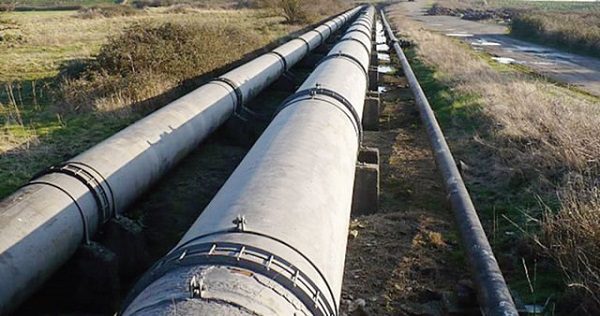
Stretching approximately 6,900 kilometres, the pipeline will follow a hybrid offshore and onshore route, with a projected capacity of 30 billion cubic metres of gas annually. Of this volume, about 15 billion cubic metres will supply Morocco, while the remainder is expected to support exports to European markets.
The project has long been backed by the Economic Community of West African States, reflecting its strategic importance to the region’s energy security and economic development goals.
Originally conceived over a decade ago, the pipeline has now completed its feasibility studies and front-end engineering design, marking a major milestone ahead of construction.
Benkhadra revealed that a project company will be established in Morocco as a joint venture between Nigerian National Petroleum Company and ONHYM. This entity will oversee execution, financing, and construction, signalling a shift from planning to implementation.
The pipeline is designed to be developed in phases, with each segment operating as a standalone system. This approach is expected to accelerate delivery timelines and allow early benefits, even before the full network is completed.
Initial phases will connect Morocco to gas reserves in Mauritania and Senegal, while also linking Ghana to Côte d’Ivoire. The final segment will extend the pipeline to Nigeria’s vast gas fields, creating a continuous energy corridor along the West African coast.
First gas from the initial segments is projected for 2031, although timelines may depend on financing arrangements and regulatory approvals across participating countries.
Despite growing investor interest, funding for the project has not yet been fully secured. According to Benkhadra, financing will be structured through a mix of equity and debt, to be mobilised by the project company.
Analysts say the scale and structure of the project make it attractive to international investors, particularly as Europe seeks alternative energy sources amid shifting global dynamics.
Beyond exports, the pipeline is expected to deliver significant domestic benefits across West Africa. It is projected to boost electricity generation, support industrialisation, and unlock opportunities in sectors such as manufacturing and mining.
Energy experts also note that the project could help address long-standing energy deficits in several participating countries, while strengthening economic ties across the region.
For Nigeria, the pipeline represents an opportunity to monetise its vast gas reserves and expand its influence in regional and global energy markets.
However, industry observers caution that successful execution will depend on sustained political will, regulatory coordination, and timely financing—factors that have historically slowed large-scale infrastructure projects in the region.
As preparations for the 2026 agreement gather momentum, stakeholders say the Nigeria-Morocco gas pipeline could redefine Africa’s energy landscape if delivered as planned.