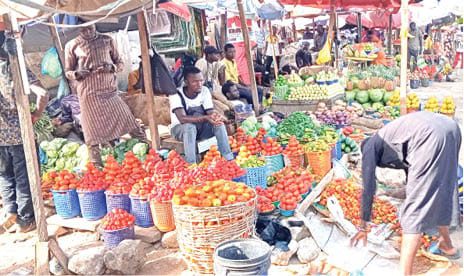
Nigeria wastes an estimated 38 million tonnes of food annually, the highest on the African continent, even as over 34 million citizens are projected to face severe hunger between June and August 2026.
The warning was delivered during the commemoration of International Zero Waste Day in Abuja by Zissimos Vergos, who highlighted the environmental, economic, and social costs of food loss.
Vergos noted that wasted food depletes vital resources such as water, energy, and labour, and contributes significantly to climate change, accounting for nearly 10% of global greenhouse gas emissions.
According to the report, prepared by the Nigerian government in collaboration with the Food and Agriculture Organization and Food Security Sector partners, hunger remains a pressing crisis in Nigeria, with millions at risk of acute food insecurity.
Vergos acknowledged the Nigerian government’s steps, including the Circular Economy Roadmap and strengthened waste management policies, but stressed that more robust measures are urgently needed.
Recommended interventions include investment in rural roads, cold storage systems, agro-processing facilities, and integrating zero-waste education into school curricula.
Minister of Environment Balarabe Lawal called food waste a major national challenge, especially amidst the ongoing food insecurity crisis. He highlighted government initiatives aimed at reducing post-harvest losses in major markets to safeguard resources and ensure equitable food distribution.
United Nations Industrial Development Organisation Country Representative, Amb. Philbert Johnson, also emphasized that efficient food systems are critical for economic growth, societal stability, and public health. He warned that unchecked food waste undermines national resilience and hampers development objectives.
Experts say addressing food waste is essential not only to combat hunger but also to achieve sustainable development and reduce Nigeria’s contribution to climate change. Investments in storage, transport, and education, coupled with stronger policies, could transform Nigeria’s food sector into a more efficient, climate-smart system.