The Nigeria Union of Journalists (NUJ), Federal Capital Territory (FCT) Council, has raised fresh concerns over worsening welfare conditions, unpaid salaries, and poor remuneration in Nigeria’s media industry.
The union warned that the declining welfare of journalists is weakening productivity, limiting creativity, and posing a broader threat to democratic accountability ahead of the 2027 general elections.
The warning was issued in Abuja during a health walk organised as part of activities marking the NUJ FCT Council’s 2026 Press Week.
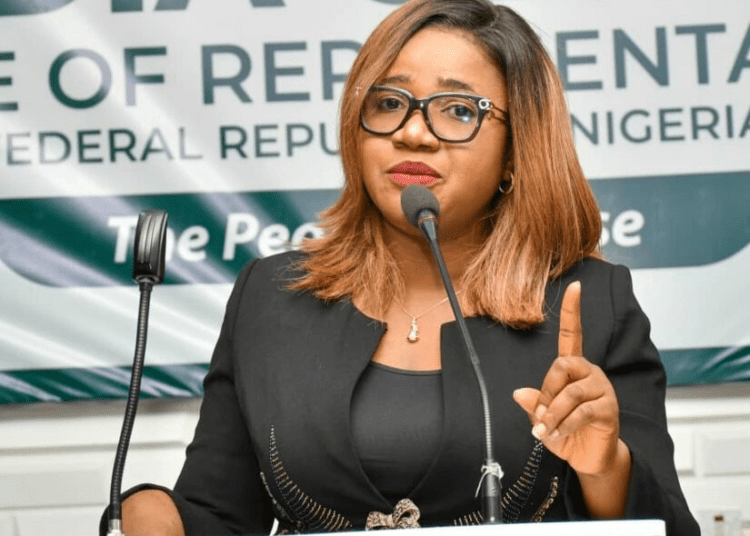
Chairman of the council, Grace Ike, said journalists across the country are operating under severe economic pressure, including delayed salaries, poor pay, intimidation, and difficult working conditions.
She noted that despite their critical role in safeguarding democracy through ethical reporting, many journalists are unable to function optimally due to financial instability.
According to her, inadequate remuneration directly affects media performance and weakens the industry’s ability to hold public institutions accountable.
“Underpaid families mean you are stifling productivity and creativity,” she said, urging media owners to prioritise workers’ welfare if they expect professionalism and high-quality output.
She also highlighted the mental and physical toll of journalism, noting that many practitioners work under intense pressure, long hours, and frequent exposure to harassment, online attacks, and burnout.
The health walk, themed around defending Nigeria’s democracy ahead of the 2027 elections, was designed to promote physical fitness and mental health awareness among journalists.
Ike disclosed that a free medical outreach organised by the council for more than 300 journalists revealed several cases of high blood pressure, many of which were previously undiagnosed.
She said the findings underscored the dangerous impact of stress and poor working conditions on media professionals.
“Most times, you hear that somebody just slumped. We are always running helter-skelter to make sure stories are filed, and deadlines are met,” she said.
The NUJ FCT chairman also raised concerns over the spread of fake news, disinformation, and unethical journalism practices ahead of the 2027 elections, urging practitioners to remain committed to accuracy and responsible reporting.
She further cautioned about the misuse of the Cybercrime Act against journalists, calling for stronger protection of press freedom while maintaining professional standards.
Former President of the Nigeria Association of Women Journalists (NAWOJ), Evelyn Onyilo, commended the initiative and encouraged journalists to prioritise their health despite professional pressures.
Chairman of the 2026 Press Week Committee, Obas Esiedesa, said the week-long programme was designed to address both the health and professional needs of journalists.
He noted that activities such as medical outreach and the health walk were aimed at improving journalists’ wellbeing and strengthening the capacity of the media workforce.
Stakeholders at the event agreed that a healthy, well-supported, and professionally motivated press remains essential to sustaining credible journalism and democratic governance in Nigeria.