


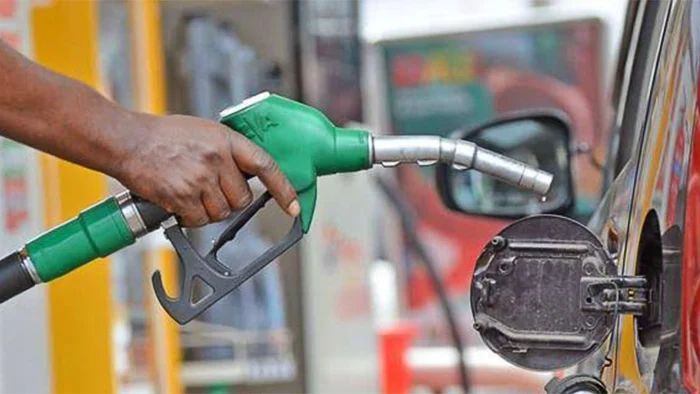
Motorists in Abuja are yet to benefit from recent developments in the global oil market, as petrol prices across most filling stations in the Federal Capital Territory continue to hover around ₦1,350 per litre despite declining crude oil prices.
The situation persists even after Dangote Petroleum Refinery announced a ₦75 reduction in its ex-depot price of Premium Motor Spirit (PMS), lowering the rate from ₦1,250 per litre to ₦1,175 per litre. The adjustment took effect on June 16 and was linked to easing geopolitical tensions in the Middle East and falling international oil prices.
A survey of filling stations in Abuja showed that many outlets maintained pump prices at approximately ₦1,350 per litre, while some locations sold the product at slightly higher rates. The unchanged retail prices have raised questions among consumers who expected a quicker response following the refinery’s latest reduction.
Industry operators explained that an immediate reduction at the retail level could result in financial losses for marketers who still hold inventory purchased at previous higher prices. According to stakeholders, many retailers are expected to exhaust existing stock before adjusting pump prices to reflect the new ex-depot rates.
The decline in global oil prices has been linked to improving prospects for increased crude supply following diplomatic progress in the Middle East. Analysts believe that easing concerns about disruptions to global energy supplies have contributed to lower crude prices and improved market sentiment.
Dangote Refinery stated that its latest price adjustment was made in response to the cooling oil market and changing global conditions. The refinery’s decision is expected to increase competition within Nigeria’s downstream petroleum sector and could eventually lead to lower prices for consumers if marketers pass on the cost savings.
Despite the positive outlook, energy analysts caution that crude oil prices are only one factor influencing domestic fuel pricing. Foreign exchange costs, logistics expenses, financing obligations, and inventory replacement strategies also play significant roles in determining the final pump price paid by consumers.
For now, Abuja motorists continue to pay around ₦1,350 per litre while market participants monitor developments in the global oil market and await possible adjustments across the country’s fuel distribution network.
