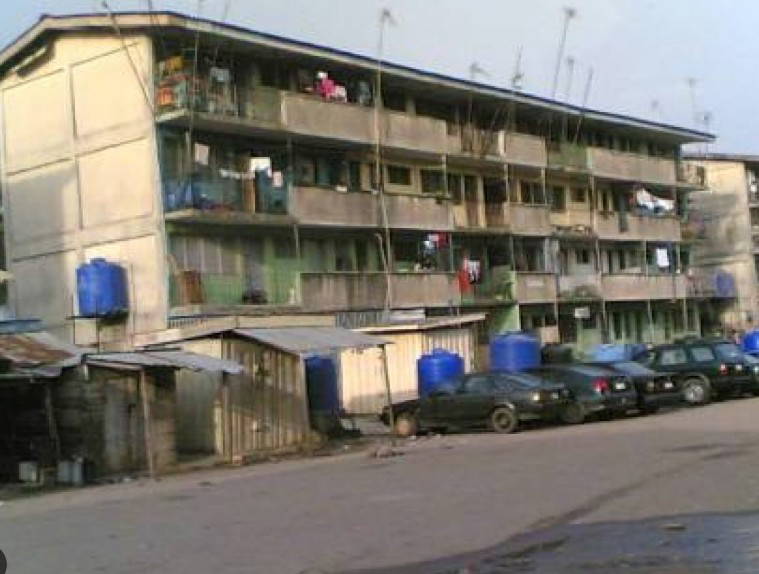
Nigeria’s housing sector is under mounting pressure as a deepening rent crisis continues to displace tenants across major cities, raising concerns over affordability, weak regulation, and a growing housing deficit.
From Lagos to Abuja, Port Harcourt to Kano, tenants are grappling with steep and often arbitrary rent increases, forcing many families to relocate, downgrade their living conditions, or abandon urban centres altogether.
Rising Rents, Shrinking Options
Across urban Nigeria, rental prices have surged significantly over the past year, driven by inflation, high construction costs, and increasing demand for limited housing stock.
For many households, income levels have failed to keep pace with rising accommodation costs, leaving tenants with fewer options and increasing vulnerability to displacement.
In some cases, landlords have raised rents by as much as 50 to 100 per cent without corresponding improvements in housing quality or services.
Tenants Bear the Brunt
The impact of the crisis is most severe among low- and middle-income earners, who now spend a disproportionate share of their income on rent.
Many tenants report being given short notice to either meet new rental terms or vacate their homes, a situation that has triggered a wave of forced relocations and overcrowding in more affordable areas.
The lack of effective rent control mechanisms has further worsened the situation, leaving tenants with limited legal protection.
Housing Deficit Worsens Crisis
Nigeria’s estimated housing deficit—often placed in the millions of units—continues to widen, compounding the pressure on existing housing supply.
Experts note that the country requires hundreds of thousands of new housing units annually to bridge the gap, yet current delivery rates remain far below demand.
This imbalance has created a landlord-driven market where pricing power heavily favours property owners.
Economic Pressures Driving Surge
Analysts attribute the rent surge to a combination of macroeconomic factors, including inflation, rising building material costs, and currency fluctuations affecting imported construction inputs.
In addition, increased urban migration has intensified demand in major cities, further straining already limited housing infrastructure.
Calls for Urgent Government Intervention
Stakeholders in the housing sector are calling on government authorities to implement urgent reforms aimed at protecting tenants and stabilising the rental market.
Proposed measures include:
- Strengthening rent regulation policies
- Expanding access to affordable housing schemes
- Encouraging private sector participation through incentives
- Promoting alternative housing finance models
Experts warn that without decisive intervention, the crisis could escalate into a broader social and economic challenge.
A Growing Social Concern
Beyond economics, the rent crisis is fast becoming a social issue, affecting family stability, productivity, and overall quality of life.
As more Nigerians struggle to secure affordable housing, concerns are growing about the long-term implications for urban development and social cohesion.