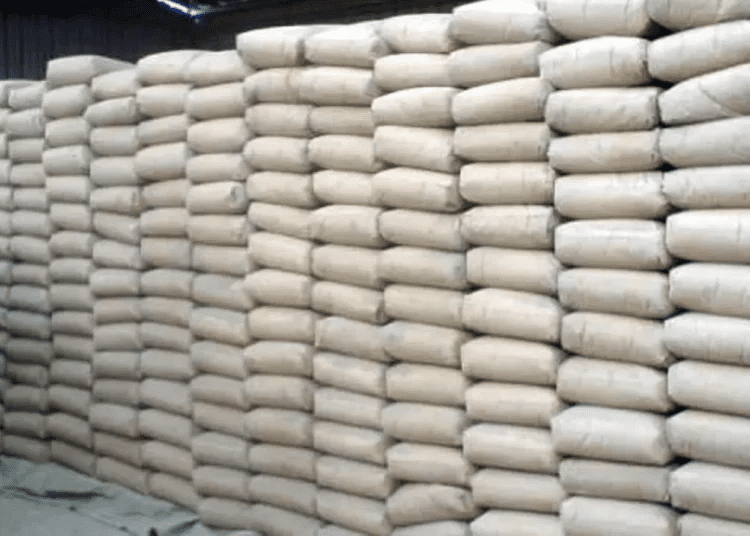
Nigeria’s housing sector is facing fresh pressure as the cost of a 50-kilogram bag of cement continues to rise sharply, with prices reaching as high as ₦15,000 in some locations nationwide.
The increasing cost has triggered concerns from the Real Estate Developers Association of Nigeria (REDAN), which warns that the trend could slow housing development, delay projects and worsen Nigeria’s growing housing deficit.
Cement Prices Surge Above 30 Percent
Industry data indicates that cement prices have experienced a steep increase within a short period.
A bag of cement that sold for about ₦7,500 in late 2025 reportedly rose to between ₦9,000 and ₦10,000 in early 2026 before climbing further to between ₦11,500 and ₦15,000 depending on location and brand.
The latest increase represents a rise of more than 30 percent in just a few months, making cement one of the most volatile construction inputs in Nigeria.
Developers Face Rising Project Costs
For real estate developers already operating in a difficult business environment, the increasing cost of cement is creating additional pressure.
REDAN warned that because cement accounts for a substantial share of construction costs, rising prices directly affect project viability.
The association noted that some developers are already scaling back projects, delaying delivery timelines and reconsidering planned investments.
According to industry stakeholders, the situation is particularly difficult for low- and middle-income housing developments where affordability margins are already narrow.
Other Building Materials Also Recording Price Hikes
The cement crisis is occurring alongside increases in other construction materials.
Reports indicate that:
- Steel prices have risen by roughly 20 percent
- Sharp sand costs increased by about 25 percent
- Timber and other construction materials have also recorded sharp increases
These combined increases are significantly driving up the total cost of housing delivery.
Rent Prices Rising in Major Cities
The effect of rising construction costs is gradually spreading into Nigeria’s rental market.
In cities such as Lagos and Abuja, reports suggest annual rent for self-contained apartments has increased sharply.
Some units previously rented at about ₦400,000 annually now reportedly cost between ₦800,000 and ₦1.5 million.
This trend is increasing pressure on households already dealing with inflation and declining purchasing power.
Concerns Over Construction Quality
Industry experts have also raised concerns that rising material prices may encourage some developers to cut costs through the use of lower-quality materials.
Stakeholders warn that such practices could create safety risks, especially as Nigeria continues to record cases of building collapse.
They stress that maintaining construction standards remains critical despite current economic pressures.
REDAN Calls for Government Intervention
REDAN has urged the Federal Government and regulatory agencies to intervene through coordinated measures aimed at stabilising the building materials market.
The association recommended:
- Improved supply chain efficiency
- Support for local production of construction inputs
- Greater pricing transparency
- Stronger engagement with stakeholders across the value chain
- Increased investment in alternative building technologies
Industry leaders warn that without urgent intervention, Nigeria’s affordable housing goals may become increasingly difficult to achieve.