The United States has praised the Nigerian government for securing 386 convictions in terrorism-related cases, describing the development as a major step toward strengthening justice and accountability in the country’s fight against insurgency.
The commendation was delivered by Massad Boulos, who highlighted Nigeria’s efforts to accelerate long-delayed terrorism trials and reinforce the rule of law.
According to the U.S. official, the convictions mark a significant milestone in addressing cases that had stalled within the judicial system, noting that swift and transparent legal processes remain critical in tackling extremism and restoring public trust.
The latest development follows disclosures by Nigeria’s Attorney-General of the Federation and Minister of Justice, Lateef Fagbemi, who confirmed that the Federal Government secured 386 convictions out of 508 terrorism-related cases handled at the Abuja Division of the Federal High Court.
Fagbemi explained that aside from the convictions, eight suspects were discharged, two were acquitted, while 112 cases were adjourned to the next phase of the trials.
He noted that the proceedings, which ran from April 7 to April 10, involved over 500 suspects arraigned under the Terrorism (Prevention and Prohibition) Act, with 10 judges presiding over the cases despite the Easter vacation period.
The minister added that the outcomes reflect the government’s commitment to due process, stressing that the inclusion of acquittals and discharges underscores adherence to judicial fairness.
The next phase of the trials has already been scheduled for mid-June, as authorities continue efforts to clear pending terrorism-related cases.
The U.S. government also emphasised that upholding the rule of law remains essential for ensuring long-term security and stability in Nigeria, particularly as the country continues to face threats from extremist groups.
The commendation comes amid ongoing international scrutiny of Nigeria’s security landscape, with global partners closely monitoring efforts to combat terrorism and strengthen institutional accountability.
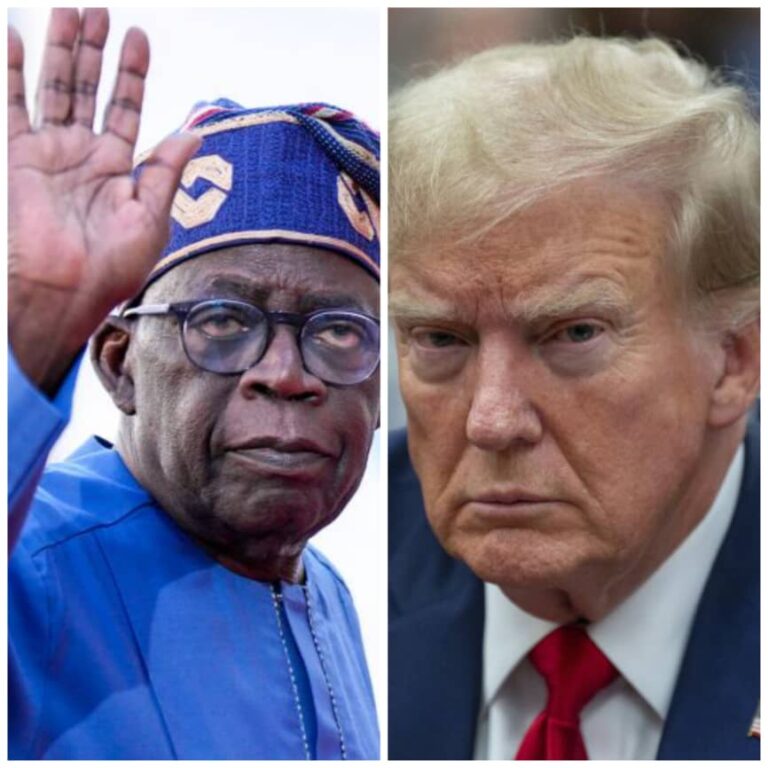
In 2025, former U.S. President Donald Trump designated Nigeria a “Country of Particular Concern” under the International Religious Freedom Act, citing concerns over violence linked to extremist activities.
However, the Nigerian government, led by President Bola Ahmed Tinubu, rejected the classification, maintaining that the country’s security challenges are driven by broader criminality and insurgency rather than targeted religious persecution.
Analysts say the latest convictions could help improve Nigeria’s global image and demonstrate progress in addressing terrorism through legal and institutional frameworks.