The United States government has retained Lagos as Nigeria’s only designated visa processing hub while excluding Abuja from a new list of 20 African cities that will continue to offer full visa processing services under a major consular restructuring initiative.
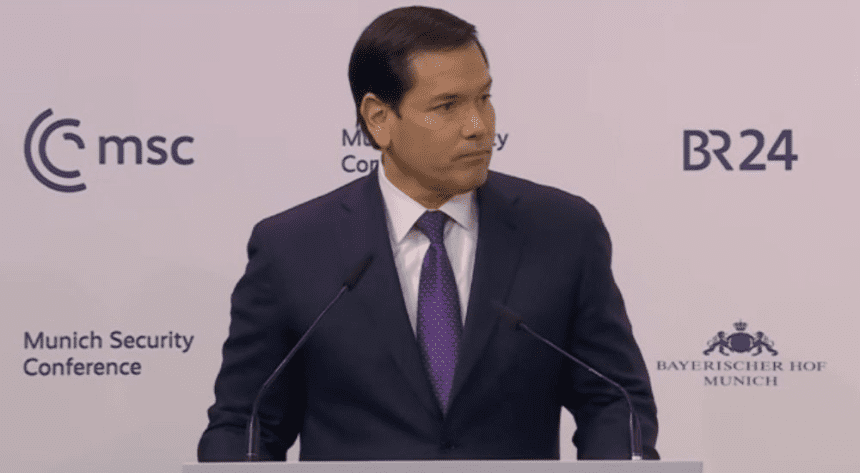
The decision follows a directive approved by Marco Rubio as part of the administration’s plan to reduce the American consular footprint across Africa from approximately 50 locations to just 20 regional visa processing hubs.
According to reports, the new arrangement is expected to take effect in June, although U.S. authorities have yet to announce a formal implementation date.
Lagos Retained as Nigeria’s Sole Visa Processing Hub
Under the new framework, Lagos remains one of only 20 African cities authorised to maintain full visa processing capabilities.
Other cities on the list include Accra, Abidjan, Addis Ababa, Dakar, Nairobi, Kampala, Kigali, Kinshasa, Monrovia, Yaoundé and several other strategic locations across the continent.
Notably absent from the list is Abuja, Nigeria’s capital city, which currently hosts a fully operational U.S. Embassy and processes thousands of visa applications annually.
The exclusion of Abuja means Lagos will become the primary location for full U.S. visa processing services in Nigeria under the new arrangement.
New Requirements for Visa Applicants
The policy change could have significant implications for visa applicants across Africa.
Citizens from countries or cities not included in the list of designated hubs may be required to travel to another country to complete visa application procedures, increasing travel expenses and logistical challenges for applicants already facing lengthy processing times.
However, consular operations in non-hub locations will continue to provide limited services, including passport renewals for American citizens, emergency assistance, diplomatic visas and special national-interest cases.
US Tightens Global Immigration Procedures
The State Department said the restructuring forms part of a broader review aimed at aligning diplomatic resources with U.S. national interests while maintaining strict security screening standards.
The move also aligns with wider efforts by the administration to strengthen immigration controls and streamline diplomatic operations globally.
Reports indicate that U.S. diplomats worldwide have already been briefed on planned personnel reductions at embassies and consulates as part of the broader restructuring programme.
What the Change Means for Nigerians
For Nigerian applicants, Lagos is expected to remain the central hub for visa processing services, while the future scope of services available at the U.S. Embassy in Abuja remains unclear.
The development could lead to increased demand for appointments in Lagos, potentially affecting waiting times for visa applicants seeking travel, study, business and immigration opportunities in the United States.